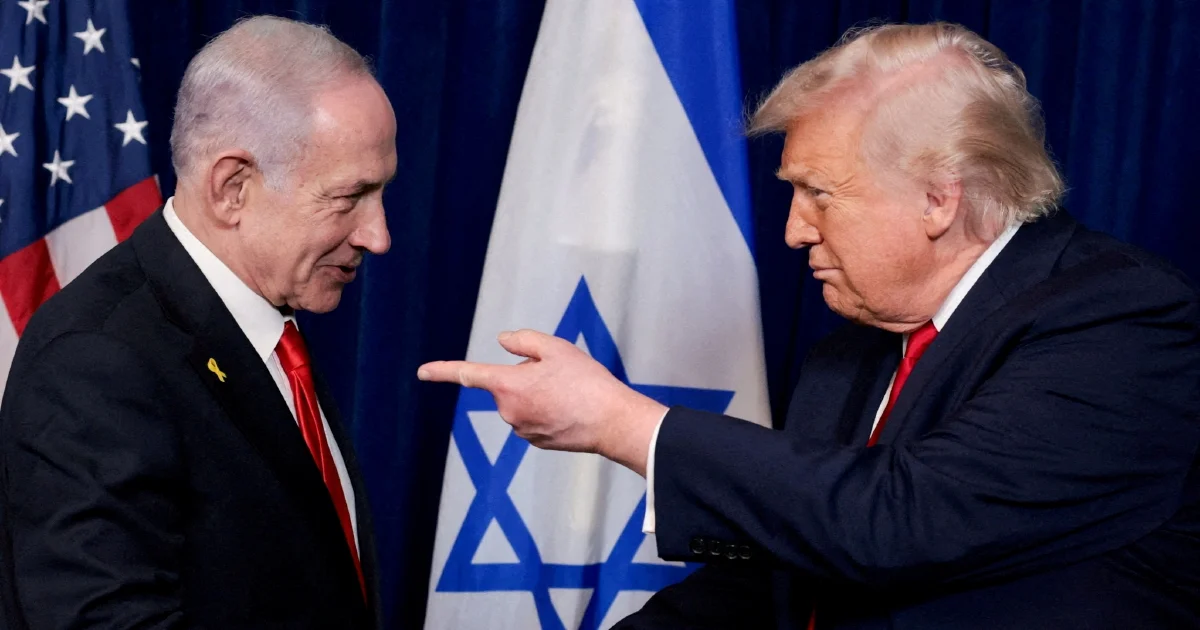
Donald Trump departed from his typically unwavering support for Israeli military operations on Tuesday, delivering an unusually direct critique of the country's bombing campaign against Hizbollah in Lebanon. The US President specifically objected to Israel's destruction of entire residential buildings as a tactic for eliminating militant fighters, suggesting the scale of destruction was disproportionate to its strategic objective.
The public disagreement marks a notable shift in Trump's rhetoric towards Israel, particularly at a moment when the conflict between Israeli forces and the Iranian-backed militant group has intensified dramatically across the Lebanese border. Throughout his political career and his first term in office, Trump had positioned himself as an ardent supporter of Israeli security interests, often declining to voice criticism of military operations even as international concerns mounted.
Trump's comments underscore growing tensions within American policy circles regarding the humanitarian cost of Israel's military campaign. The targeting of residential structures, while defended by Israeli officials as necessary to prevent militant operations, has drawn increasing scrutiny from humanitarian organizations and several US lawmakers who question whether civilian casualties are being adequately minimized. The President's intervention suggests the White House is weighing both strategic support for Israel's security needs and domestic and international pressure over civilian protection standards.
The timing of Trump's criticism is significant given the broader regional security situation. The intensification of cross-border operations between Israel and Hizbollah has raised alarm among regional observers and international powers concerned about potential escalation into a wider conflict. Multiple Middle Eastern countries and global powers have called for restraint, but Israel has maintained that it must respond to rocket fire and militant threats originating from Lebanese territory.
From a Southeast Asian perspective, this flashpoint carries implications beyond the immediate region. Regional nations maintaining diplomatic and economic relationships with both the United States and Israel, such as Malaysia, Singapore, and the Philippines, face complex considerations when international actors diverge on military tactics and humanitarian standards. Trump's public criticism creates diplomatic space for countries to express similar concerns without appearing to isolate Israel entirely, while his continued backing ensures military aid and strategic support flow uninterrupted.
The distinction Trump drew between targeting fighters and destroying apartment buildings reflects an ongoing international debate about proportionality in warfare. International humanitarian law generally permits military actions against legitimate military targets, but requires that civilian harm not be excessive relative to anticipated military advantage. Trump's intervention into this technical debate suggests the White House views the current Israeli approach as potentially exceeding these limits, a position that carries weight given America's role as Israel's primary military and diplomatic supporter.
Israeli military officials have historically justified large-scale strikes by arguing they target command centres, weapons storage facilities, or other infrastructure supporting Hizbollah's operations. They contend that apartment buildings frequently contain militant personnel or material and that warning civilians before strikes demonstrates proportional consideration. However, the reality of urban warfare in densely populated areas means civilian casualties often result from such operations, particularly when multiple families live in targeted structures.
Trump's comments also reflect domestic American political currents where support for Israel, while broadly bipartisan, has become more conditional among younger voters and progressive constituencies. By voicing concern about civilian harm, Trump may be attempting to thread a political needle, maintaining overall support for Israeli security while appearing responsive to humanitarian concerns. This positioning could influence how both American allies and adversaries calculate their own responses to the conflict.
The practical effect of Trump's criticism remains uncertain. The statement lacks specific demands for policy changes or threats of consequences, framing itself more as presidential concern than ultimatum. This approach may signal to Israel that Washington wants fewer headlines about civilian casualties rather than a fundamental revision of military strategy. Such subtle messaging often characterises conversations between close allies where public agreement is important for domestic constituencies in both nations.
For Malaysia and other Southeast Asian nations, Trump's willingness to criticise Israeli tactics while maintaining strategic support illustrates the complexity of navigating great power interests in the Middle East. Many ASEAN countries maintain non-aligned positions while managing relationships with the United States, and they may view this moment as evidence that backing for Israeli military actions is not monolithic even among America's leadership, providing cover for countries to express independent humanitarian concerns.
The broader regional stability of the Middle East depends significantly on whether the US-Israel alliance can accommodate differing assessments of military proportionality. Trump's comments suggest some give exists within that relationship, though whether this translates into meaningful pressure on Israeli tactical decisions remains to be seen. The coming weeks will reveal whether his words represent a temporary concern or the beginning of a more sustained reassessment of American support for specific Israeli military methods.