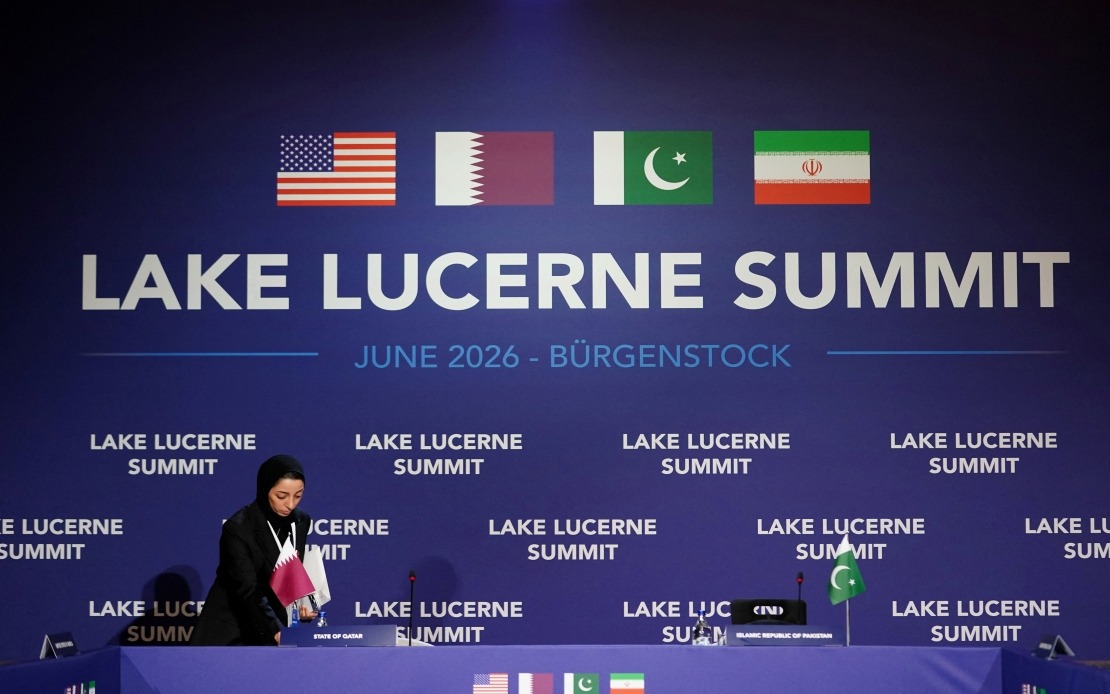
Four influential Muslim-majority nations have thrown their collective weight behind a landmark agreement between the United States and Iran, signalling broad regional support for de-escalation efforts in West Asia. In a joint statement released following discussions in Cairo, the foreign ministers of Türkiye, Egypt, Pakistan and Saudi Arabia commended the signing of the Islamabad Memorandum of Understanding, framing it as a constructive development after years of mounting tensions that have threatened regional security architecture and global economic interests.
The unified endorsement carries particular significance given the geopolitical complexity of West Asia, where these four countries occupy distinct but overlapping spheres of influence. Türkiye serves as a NATO member and regional power straddling Europe and Asia; Egypt anchors Arab leadership and controls the Suez Canal; Pakistan represents South Asian interests while maintaining ties across the Islamic world; and Saudi Arabia heads the Gulf Cooperation Council bloc. Their combined statement suggests tacit acknowledgement that escalating confrontation between Washington and Tehran posed unacceptable risks that transcended bilateral concerns.
According to the ministers, the memorandum represents far more than a diplomatic achievement between two adversaries. They identified multiple dimensions of regional vulnerability that the agreement addresses: potential military conflict that could spiral beyond current containment, disruption to energy supplies that fuel global economies, threats to international shipping lanes upon which world trade depends, and cascading effects across supply chains already strained by geopolitical fracture. For Malaysia and other Southeast Asian economies heavily dependent on Gulf oil and reliant on maritime routes through the Indian Ocean, such regional stability carries direct economic consequence.
The statement particularly emphasised the constructive role played by Pakistan in orchestrating the negotiation framework, recognising Islamabad's diplomatic acumen in bridging positions that had appeared irreconcilable. Qatar's supporting efforts in facilitating dialogue also received explicit mention, underscoring how smaller regional actors can punch above their weight when consensus emerges around mutual interests. This diplomatic choreography suggests that despite profound disagreements, sufficient common ground exists among regional stakeholders to prevent worst-case scenarios.
However, the ministers took care to frame this agreement as merely the opening chapter in a longer negotiation process. They stressed urgency in advancing toward comprehensive, permanent settlements that prove verifiable and mutually beneficial to all parties involved. The implicit warning embedded in their language—that this breakthrough remains fragile and incomplete—reflects hard-won experience with failed diplomatic initiatives in the Middle East. Unresolved grievances and entrenched positions could easily resurrect tensions if subsequent negotiations stall or fail.
The statement incorporated a crucial provision addressing Gulf state security concerns, insisting that any future arrangements account for the legitimate defensive interests of Gulf nations and Levantine countries. This reflects Saudi Arabia's particular anxieties regarding Iranian influence in the region, where proxy conflicts have destabilised multiple countries. By embedding such language into a multilateral statement, the signatories sought to establish parameters constraining what Iran might extract through diplomatic gains.
Palestinian affairs received prominent placement in the joint declaration, with the ministers reaffirming that resolution of the Israeli-Palestinian conflict constitutes an essential prerequisite for achieving enduring peace throughout West Asia. They reiterated support for Palestinian statehood within 1967 borders with East Jerusalem as capital, consistent with longstanding UN resolutions that command widespread international support despite perpetual implementation challenges. This positioning reflects how regional stability cannot be compartmentalised—that unresolved Palestinian grievances continue poisoning broader efforts toward normalisation and cooperation.
For Malaysia's foreign policy establishment, this multilateral endorsement offers several instructive lessons. The statement demonstrates how middle powers can amplify influence through coalition-building around shared interests, even when their individual leverage remains limited. Pakistan's diplomatic orchestration model, whereby Islamabad leveraged its geographic position and Islamic credibility to facilitate dialogue, presents a template applicable to other regional disputes. Additionally, the explicit linkage between security arrangements, energy security, and maritime freedom reflects the interconnected nature of contemporary geopolitical challenges.
The agreement also illustrates shifting dynamics within Islamic world diplomacy. The fact that predominantly Arab nations (Egypt, Saudi Arabia) coordinated positions with Türkiye—increasingly asserting independent foreign policy—and Pakistan suggests emergent pragmatism overshadowing sectarian and ideological divisions. Whether such pragmatism can sustain itself through inevitable disagreements in implementing agreements remains uncertain, yet its mere emergence represents progress in a region chronically afflicted by intractable conflicts.
Looking forward, Malaysian observers should monitor whether this diplomatic breakthrough translates into concrete de-escalation on the ground or remains performative signalling. The statement's emphasis on phased negotiations and verified compliance mechanisms suggests negotiators understood that trust-building must proceed incrementally. For Southeast Asian nations including Malaysia, genuinely reduced tensions in West Asia would provide welcome relief from energy price volatility and maritime security uncertainties that ultimately ripple throughout our region's commerce and stability.

