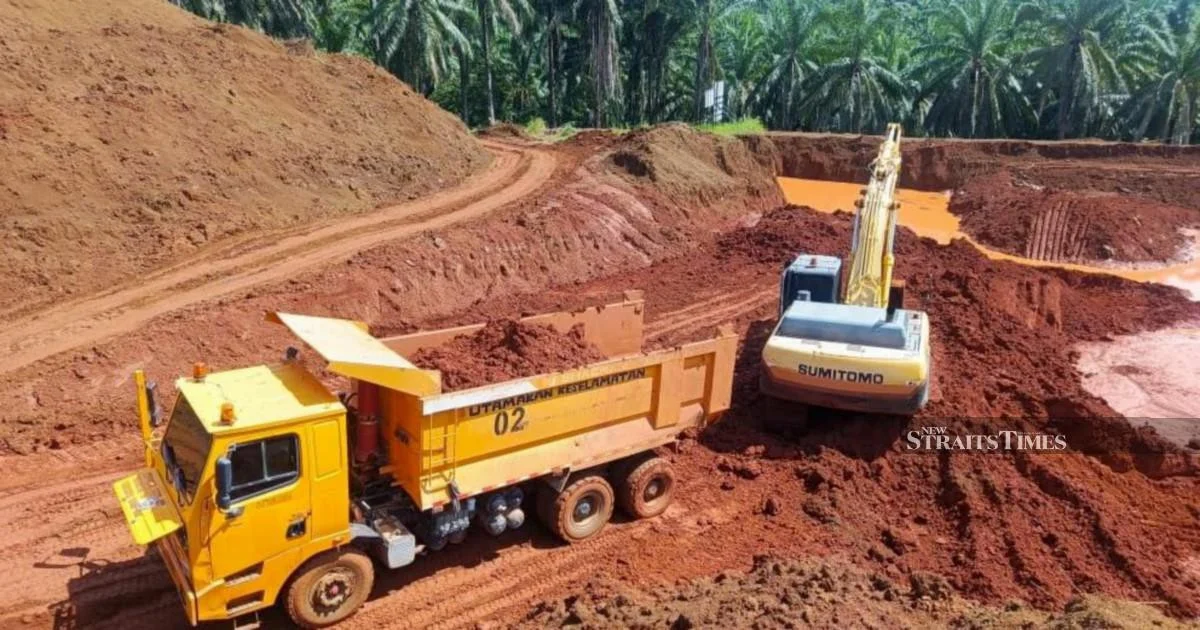
Enforcement officers in Marang have detained two men accused of operating an unlicensed silica sand trafficking scheme, marking another blow against illegal resource extraction in the region. The apprehension came as part of a coordinated crackdown that also resulted in the seizure of heavy machinery and equipment valued at RM1.8 million, underscoring the substantial commercial scale of the suspected operation.
The illegal transfer of silica sand represents a persistent challenge for Malaysian authorities tasked with protecting natural resources and preventing environmental degradation. Silica sand is a critical raw material for construction, glass manufacturing, and semiconductor industries, making it economically valuable and consequently attractive to smuggling networks seeking to bypass licensing requirements and regulatory oversight.
The Marang operation reflects growing concerns about resource extraction crimes in Terengganu and across Malaysia's eastern corridor. Illegal silica sand operations often operate under the radar of regulatory agencies, extracting material from riverbeds, coastal zones, and inland quarries without proper permits or environmental safeguards. These activities not only deprive the government of legitimate tax revenue but also inflict significant damage on ecosystems and water quality in affected areas.
The seized machinery—valued at RM1.8 million—provides insight into the mechanised nature of these operations. Suspects typically employ excavators, bulldozers, lorries, and processing equipment to extract, refine, and transport silica sand efficiently, suggesting this was not a small-scale operation but rather an organised enterprise with substantial capital investment and likely regional distribution networks.
Authorities have not disclosed the identities or specific roles of the detained individuals, though such operations typically involve a hierarchy encompassing site operators, machinery handlers, transporters, and buyers from downstream industries. Breaking these supply chains requires cooperation between federal and state-level enforcement bodies, as well as intelligence from the business and logistics sectors where suspicious material movements can be flagged.
The timing of this arrest aligns with broader Southeast Asian enforcement trends. Regional governments have intensified scrutiny of natural resource extraction following international pressure regarding environmental protection and sustainable development. Malaysia, as a signatory to various environmental agreements and conscious of its reputation in global supply chains, has sought to demonstrate commitment to regulating resource extraction more rigorously.
For Malaysian industries reliant on silica sand—particularly the construction, glass, and petrochemical sectors—enforcement action against illegal suppliers actually serves legitimate business interests. When illegal operators undercut pricing through tax evasion and regulatory circumvention, they create unfair competition that pressures lawful producers to compromise margins or cut corners themselves. Therefore, successful prosecutions can strengthen market integrity and incentivise compliance among legitimate suppliers.
The Marang case also reflects the particular vulnerability of Terengganu's natural resources to exploitation. The state's extensive coastline, river systems, and geological formations make it naturally endowed with silica sand deposits, but this advantage becomes a liability when enforcement capacity lags behind extraction demand. Building stronger detection mechanisms, particularly along transportation routes and at processing facilities, remains crucial for reducing the appeal of illegal operations.
Understanding the commercial demand fuelling these illegal networks is equally important. End-users of silica sand—whether in construction companies, industrial manufacturers, or export-oriented businesses—should face accountability if they knowingly or negligently source material from unlicensed suppliers. Supply chain due diligence, increasingly demanded by international buyers and investors, can create additional pressure for compliance throughout the distribution network.
The investigation phase will now determine the full scope of this suspected operation, including how long it has been active, which industries received its product, and whether the network extended beyond Marang into other states. Such intelligence can help law enforcement identify related illegal sites and suppliers operating through similar methods in the region.
For Malaysian policymakers, this arrest underscores the need for continued investment in environmental crime enforcement and inter-agency coordination. While individual arrests provide tactical success, systematic reduction of illegal resource extraction requires sustained commitment to intelligence gathering, prosecution, and deterrence through meaningful penalties that exceed potential profits from illegal operations.
The case also highlights opportunities for technology deployment. Advanced satellite monitoring, GPS tracking of machinery movements, and data analysis of irregular material transportation patterns could enhance detection of future illegal operations before they achieve the scale represented by RM1.8 million in seized assets.
As the investigation unfolds, the detained individuals will face scrutiny regarding their supply chains, customer networks, and involvement in what authorities evidently believe constitutes organised criminal activity. The success of this operation offers a template for strengthening Malaysia's capacity to detect and dismantle similar enterprises threatening the nation's environmental integrity and legitimate resource management framework.

