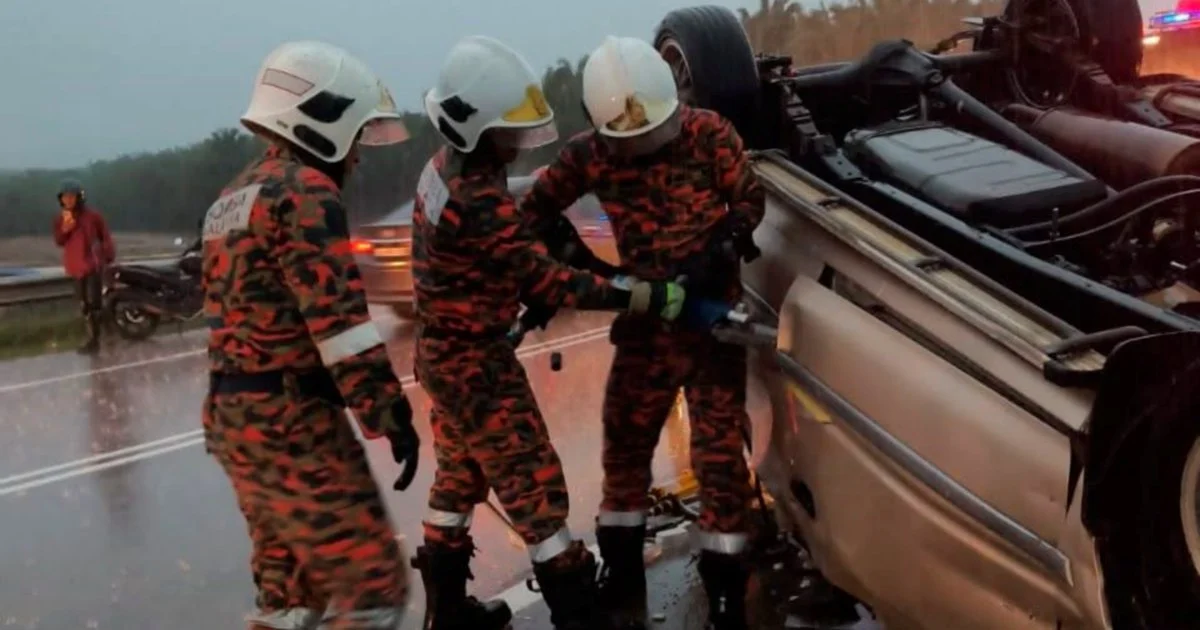
The twin tragedies unfolded on the roads of Pahang on a single day, claiming four lives in two distinct incidents separated by less than 60 minutes. Two sisters were among the deceased, with the accidents occurring in the Maran and Pekan districts, both located in the state's interior and coastal regions respectively. The clustering of fatal crashes within such a short timeframe has raised fresh concerns about road conditions and driving practices in the area.
The circumstances surrounding both accidents remain under investigation by the Royal Malaysia Police. Preliminary reports indicate that the incidents were distinct in nature, though specific details about vehicle types, collision dynamics, and the precise sequence of events are still being compiled. The rapid succession of fatalities has prompted local authorities to examine whether common factors—such as weather conditions, mechanical failures, or driver behaviour—contributed to the tragic outcomes.
Maran, located in the inland region of Pahang, and Pekan, which sits along the coast, are connected by road networks that experience varying traffic densities and conditions. The loss of life in both locations within such a compressed timeframe suggests these were not isolated incidents but rather indicative of broader road safety challenges. The involvement of civilian deaths across geographically distinct areas indicates that the risks affecting road users in Pahang extend beyond single corridors or specific stretches of highway.
The death of two sisters in the incidents adds a particularly poignant dimension to these statistics. Family losses of this magnitude often reverberate through communities and serve as stark reminders of the human cost of road accidents. Such tragedies frequently prompt deeper examinations of how families plan their journeys, what safety measures might have been overlooked, and what systemic interventions could prevent similar outcomes.
Road fatalities in Malaysia, including Pahang, have remained a persistent public health challenge. The country consistently records high numbers of traffic deaths relative to its population and vehicle density. Contributing factors typically include excessive speeding, inadequate use of safety equipment, fatigue among long-distance drivers, and the mixing of different vehicle types and speeds on shared roadways. The concentration of fatal accidents within tight temporal windows occasionally points to environmental triggers such as sudden rainfall reducing visibility or road surface conditions deteriorating unexpectedly.
Pahang, as a state that includes both heavily used national highways and quieter rural routes, experiences diverse road conditions. The Maran-Pekan corridor connects agricultural and industrial zones with residential areas, creating traffic that varies significantly by time of day and season. Understanding the specific circumstances of these two crashes will be important for identifying whether targeted interventions in either district could reduce future incident rates.
Local authorities and emergency response teams would have mobilized quickly to manage the dual crises. Coordinating rescue and medical responses across two separate locations within the same hour places considerable strain on state-level resources. The incidents underscore the importance of maintaining adequate emergency services infrastructure across geographically spread regions and the challenges of responding when multiple major incidents occur simultaneously.
The preliminary investigation phase will involve accident reconstruction specialists examining skid marks, vehicle damage patterns, and witness accounts to establish contributing causes. For the families affected, the focus naturally extends beyond institutional investigations to understanding whether the accidents were avoidable and what lessons might emerge for broader road safety awareness. The loss of two related individuals intensifies scrutiny of whether inadequate warnings, poor visibility, or mechanical failures played roles in these specific cases.
From a regional perspective, fatal road accidents in Malaysian states carry implications for national road safety policy and interstate traffic management. Pahang's road network intersects with routes used by heavy commercial traffic and weekend leisure drivers, making conditions particularly vulnerable to varied driving standards and behavioural risks. The state's role as a transit corridor for traffic moving between Kuala Lumpur and the east coast creates additional complexity in managing safety across diverse road categories.
Preliminary figures and final determinations about causation will likely emerge through formal police statements and coroner's reports in coming days. In the interim, local communities and road users in both Maran and Pekan may experience heightened awareness of accident risks and potentially increased police traffic enforcement activity. Such heightened vigilance, while sometimes reactive, can serve as a temporary modifier of driver behaviour and contribute to short-term safety improvements.
The convergence of these two fatal incidents within a single hour has activated conversations about whether Pahang requires enhanced safety measures, improved road infrastructure, or intensified public awareness campaigns. Whether the crashes stemmed from environmental factors, equipment failures, or human error, the concentrated nature of the fatalities suggests that road safety in the state warrants dedicated scrutiny and potentially targeted interventions beyond routine oversight.

