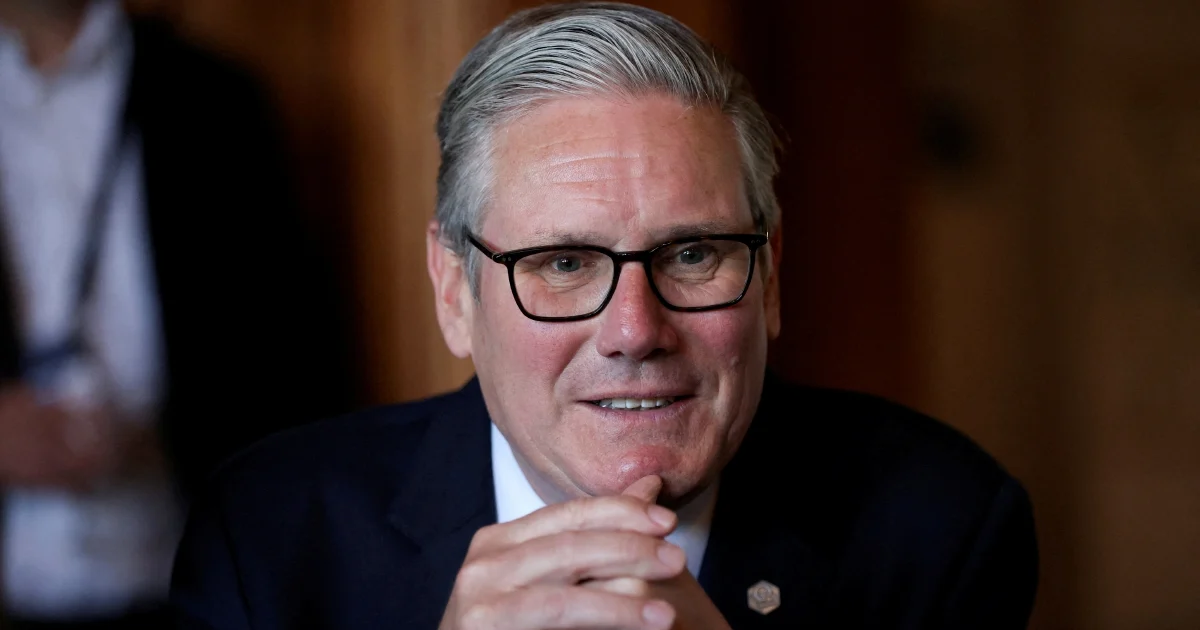
Prime Minister Keir Starmer faces a fresh wave of speculation about his political future following claims by Britain's Observer newspaper that he was preparing to step down and announce a departure timeline. However, government officials moved swiftly to counter these reports, emphasizing that the Prime Minister remains wholly committed to his responsibilities and governing agenda.
The timing of such reports reflects the intense scrutiny that Starmer has endured since assuming office, with various policy challenges and party management issues creating a volatile political environment. The Observer's assertion that Starmer planned to make a resignation announcement on Monday created considerable uncertainty in Westminster and financial markets, prompting an immediate response from Downing Street to stabilize the situation.
Government sources moved to reassure stakeholders that Starmer is not contemplating stepping aside. Instead of preparing his exit, they contended that the Prime Minister is directing his energies toward tackling the substantive work of governance. This framing represents a deliberate attempt to reestablish narrative control at a moment when political confidence appears fragile.
For Malaysia and the Southeast Asian region, leadership instability in Britain carries implications for bilateral relationships and regional dynamics. The United Kingdom maintains significant diplomatic and economic ties across Asia-Pacific, and any prolonged political uncertainty in London could affect trade negotiations, defence partnerships, and coordination on regional security matters. Starmer's Labour government has positioned itself as recommitting to a more engaged Asia strategy after years of post-Brexit inward focus.
The credibility of such denials depends partly on how quickly Starmer can demonstrate effective governance. Merely dismissing resignation speculation without visible policy achievements leaves room for further doubt. This underscores a fundamental challenge for any contemporary leader—managing the 24-hour news cycle while attempting to deliver on substantive promises.
Observer reporting of such high-stakes political news typically reflects genuine intelligence from sources close to decision-making, raising questions about whether the denials represent an authentic change of circumstances or a tactical repositioning. The speed and force of the government response may itself signal the seriousness with which officials view the threat to Starmer's position, even if the immediate resignation timeline mentioned in the newspaper report proves inaccurate.
Starmer inherited a Labour party energized after 14 years in opposition, but maintaining party unity while navigating economic pressures, healthcare crises, and public service demands has proven taxing. Any perception that he is losing control of events or that his political authority is ebbing could invite further backbench dissent and media scrutiny.
The pattern of such resignation rumors typically follows identifiable stages. Initial reports emerge from anonymous sources, government officials deny them with varying degrees of conviction, and then either the situation stabilizes as the leader demonstrates continued authority, or fresh damaging revelations accumulate that validate the original speculation. How this situation unfolds over coming weeks will signal whether Starmer has truly turned a corner or merely bought temporary breathing room.
For observers across Southeast Asia following British politics, the significance lies in whether a weakened Starmer administration can maintain coherence in international commitments. Britain's role in regional security architecture, particularly through partnerships like the Five Eyes intelligence alliance and emerging tech sector collaborations, depends partly on having a government with sufficient domestic political capital to follow through on initiatives.
Starmer's insistence that he intends to focus on governing rather than managing his own exit represents the standard political playbook when facing resignation pressure. The credibility of this stance ultimately rests not on words but on whether his government can deliver visible policy wins that restore confidence among Labour MPs, the broader public, and international partners.
The broader context matters too. Political leaders across democracies face growing pressures from fragmented media landscapes, social media amplification of discontent, and voter expectations shaped by unrealistic timelines for solving structural problems. Starmer's ability to weather this current storm may determine not just his personal political longevity but also the trajectory of Labour's broader agenda and Britain's international standing.

