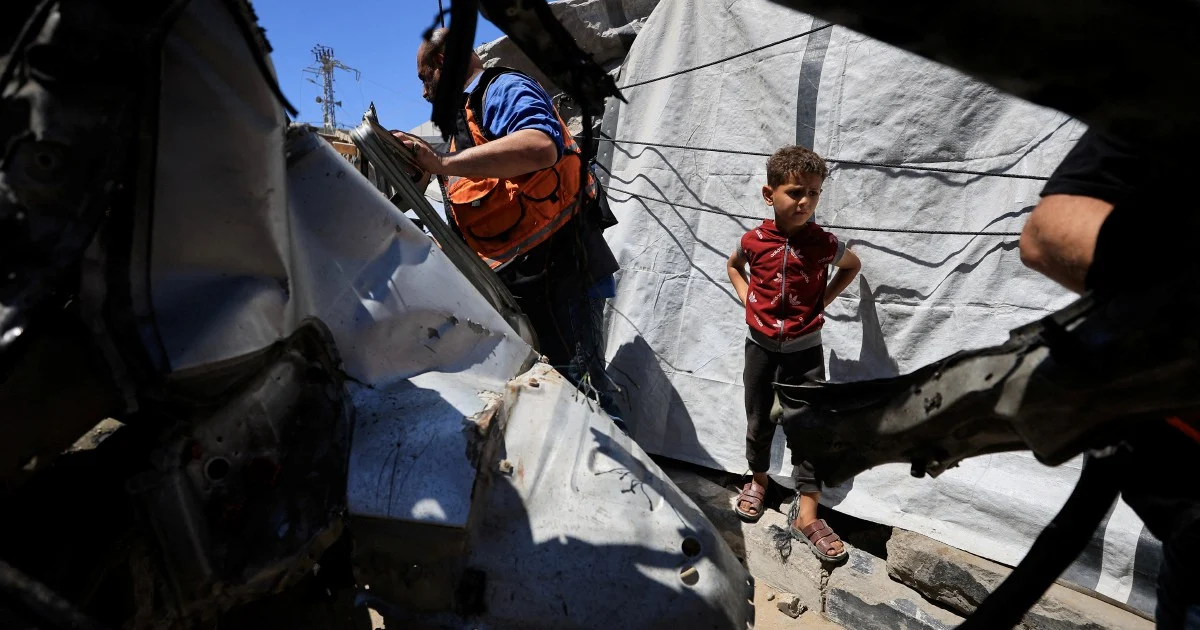
A United Nations investigation panel has concluded that Israeli forces are engaging in the deliberate targeting of Palestinian children in Gaza, characterizing these actions as a significant component of what the investigators describe as genocide in the territory. The findings, released on Tuesday from Geneva, represent one of the most serious allegations levelled against Israel's military operations and have immediately drawn fierce rebuttal from Israeli officials.
The investigation, conducted by UN-mandated experts, forms part of a broader examination of alleged violations during the conflict. The panel's determination that child targeting constitutes a deliberate strategy distinguishes these findings from claims of collateral damage or unintended civilian casualties, which Israel has frequently cited in defending its military operations. By framing the harm to children as intentional policy rather than unfortunate consequence, the investigators have elevated the severity of the allegations significantly.
For Malaysian and Southeast Asian observers, these findings carry particular weight given the region's emphasis on humanitarian principles and international law. The Association of Southeast Asian Nations has consistently stressed the importance of protecting civilians, especially vulnerable populations, in armed conflicts. The UN report's specific focus on child casualties resonates deeply within Southeast Asia, where many nations have robust child protection frameworks and view attacks on minors as unconscionable under any circumstances.
The characterization of events as genocide represents the most serious accusation under international law, carrying implications far beyond military tactics or proportionality debates. Genocide refers to the intent to destroy, in whole or in part, a protected group. The investigators' determination that deliberate child targeting is "part of" genocide suggests they have identified systematic patterns intended to harm Palestinians as a population. This framing transforms the legal and moral dimensions of the conflict significantly, moving discussions beyond individual incidents toward structural and intentional harm.
Israel's immediate rejection of the report underscores the deep polarization surrounding investigation into its military conduct. Israeli officials typically argue that their forces take extensive precautions to minimize civilian casualties and that when such casualties occur, they result from unavoidable military necessities against an adversary embedded within civilian populations. This fundamental disagreement over intent versus outcome has characterized international debates about the conflict, with observers often divided along geopolitical lines.
The UN investigation mechanism itself reflects broader international tensions. Different nations and human rights organizations interpret the same events through dramatically different lenses, influenced by their geopolitical positioning, historical experiences, and legal interpretations. For Southeast Asian policymakers, navigating these competing narratives requires careful analysis of evidence and adherence to principles of international humanitarian law that transcend individual political sympathies.
The allegation of child targeting carries humanitarian implications that extend beyond Gaza's borders. International humanitarian law, established through the Geneva Conventions and their protocols, places special emphasis on protecting children during armed conflicts. The 1989 Convention on the Rights of the Child, which has near-universal ratification including among ASEAN members, enshrines protections for children that no military objective justifies violating. When major powers or their allies face allegations of violating these fundamental protections, it weakens the international legal framework that smaller nations like those in Southeast Asia depend upon for security and stability.
The investigation's findings also highlight the complex evidentiary challenges in conflict situations. Determining intent in military operations requires distinguishing between deliberate targeting strategies and tragic outcomes of armed conflict. The UN panel's conclusion that deliberate targeting occurred implies they have reviewed substantial evidence demonstrating systematic practice rather than isolated incidents. Understanding how investigators reached these conclusions requires examining whether patterns exist across multiple operations, whether military orders reflect targeting of children, and whether the frequency of child casualties exceeds what military necessity would require.
The immediate and vigorous Israeli response to the allegations suggests that the country views the UN investigation mechanism with considerable skepticism. Israel has frequently criticized UN bodies as biased against its actions while overlooking Palestinian or other parties' conduct. This critique reflects broader debates about whether international investigation mechanisms maintain genuine impartiality or reflect institutional prejudices. Southeast Asian nations, many of which have experienced bias in international forums, understand these concerns even while respecting the principle that serious allegations require independent investigation.
The report's release during ongoing diplomatic efforts around the conflict timing carries its own significance. Such investigations typically take considerable time, suggesting the findings reflect developments over an extended period. The decision to release findings publicly rather than through confidential channels indicates the investigators' determination that the allegations warrant immediate public attention and international response. This approach puts pressure on UN member states and international bodies to respond substantively to the charges.
For Malaysian readers and wider Southeast Asian audiences, the investigation raises fundamental questions about international law enforcement and accountability. How should the international community respond when major powers face allegations of genocide? What mechanisms exist for independent investigation when parties to a conflict reject findings? These questions extend beyond the immediate Israeli-Palestinian context to shape how international law will function in future conflicts affecting the region. The credibility of international humanitarian law depends partly on consistent application regardless of which party or nation faces allegations.
Looking forward, the investigation's conclusions will likely influence how various nations, including those in Southeast Asia, engage with the broader conflict. Some will use the findings to strengthen calls for international action, while others will question the investigation's methodology and conclusions. What remains consistent is that allegations of genocide targeting children represent matters of profound moral and legal significance that demand serious consideration within the international community, particularly among nations committed to humanitarian principles and the protection of vulnerable populations.

