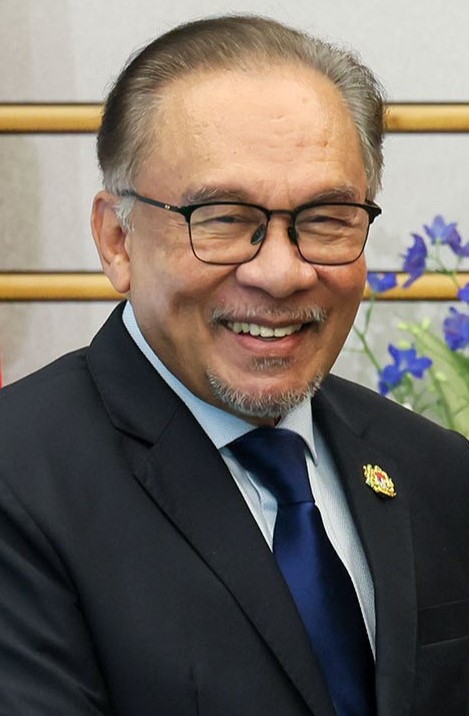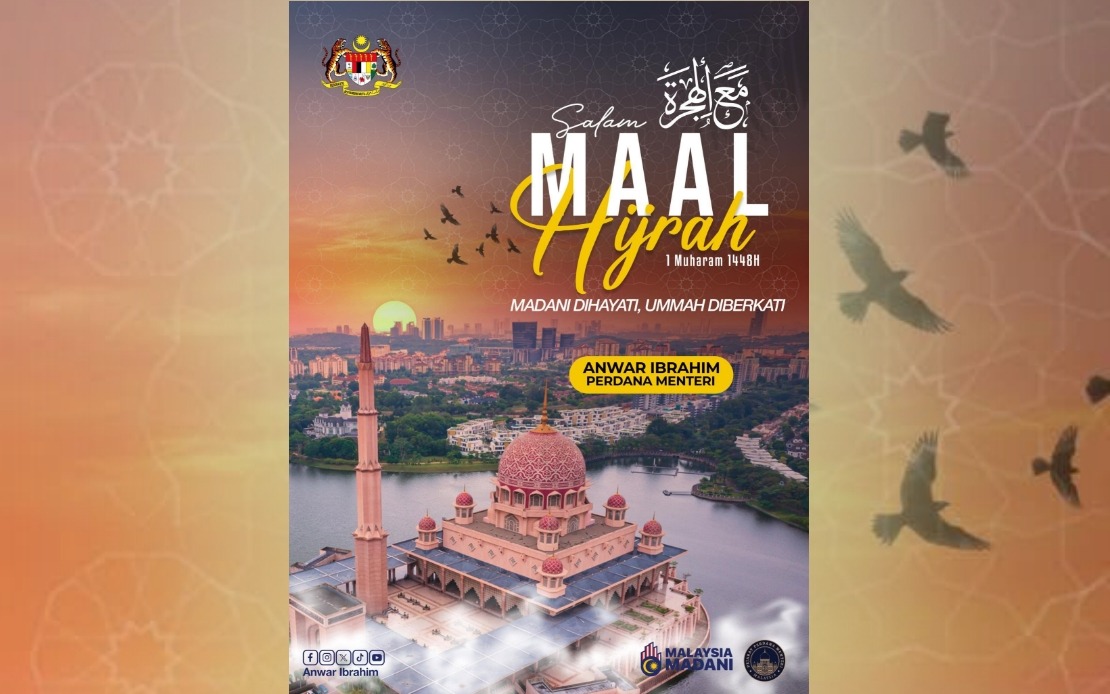
Prime Minister Datuk Seri Anwar Ibrahim has underscored that transforming the nation requires a collective commitment grounded in the principles of Hijrah, the historic migration of Prophet Muhammad SAW to Madinah. Speaking on the occasion of Maal Hijrah 1448H, Anwar stressed that meaningful reform cannot materialise through rhetoric or isolated endeavours, but demands genuine cooperation across Malaysia's diverse communities, patience, and a shared vision of success. The Prime Minister's remarks reflect a deliberate attempt to ground contemporary governance in Islamic historical precedent, positioning national development as an extension of principles established over 14 centuries ago.
The concept of Hijrah transcends a mere historical event in Islamic tradition; it represents a foundational principle of collective migration undertaken for the preservation of faith and establishment of a just society. By invoking this framework, Anwar positioned current Malaysian reforms within a spiritual and moral continuum, suggesting that the challenges facing the nation demand the same coordinated effort, sacrifice, and unity demonstrated by the Prophet and his followers. This rhetorical strategy serves multiple purposes: it appeals to Muslim constituencies while framing governance challenges as matters requiring communal resolve rather than partisan advantage. The emphasis on consensus rather than individual leadership reflects an acknowledgement that sustainable reform cannot be achieved through top-down mandates alone, particularly in a pluralistic nation where legitimacy depends on broad-based acceptance.
Anwar specifically highlighted the diverse roles played by various groups during the original Hijrah, noting the contributions of youth exemplified by Saidina Ali Abi Talib, women including Asma Abu Bakar, and numerous companions who collectively organised and executed the migration. This inclusive historical narrative carries contemporary significance for Malaysia, where intergenerational tensions, gender debates, and communal divisions often impede reform initiatives. By drawing attention to how success in the seventh century depended on recognising and mobilising contributions from across demographic lines, the Prime Minister implicitly advocates for a similar inclusive approach to modern governance. The reference to women's pivotal roles is particularly noteworthy given ongoing discussions in Malaysia about female participation in public life and decision-making, suggesting that Islamic tradition itself provides precedent for gender inclusion.
The challenge of translating spiritual principles into practical governance forms a central tension in Anwar's message. He acknowledged explicitly that embodying the Hijrah spirit in contemporary reality presents significant difficulties, requiring not merely ideological commitment but concrete mechanisms for cooperation. This candour distinguishes his framing from purely aspirational rhetoric; by admitting the complexity of the task, he legitimises the slow pace of reform while maintaining its moral urgency. For Malaysian audiences accustomed to grand policy announcements followed by limited implementation, this measured tone may resonate as more honest than hyperbolic promises, though it also sets expectations at a deliberately modest level that could be interpreted as excusing future shortcomings.
Anwar's insistence that reforms must constitute a collective effort rather than the project of any single political party carries direct implications for Malaysia's fractious political environment. The statement appears designed to delegitimise partisan opportunism and position the government as merely one stakeholder in a broader national project. However, this framing also risks obscuring the reality that his administration holds primary executive responsibility for policy implementation. By distributing responsibility across society at large, Anwar potentially creates space for blaming external actors—opposition parties, uncooperative bureaucrats, resistant civil society—should reform initiatives falter. Nevertheless, the principle itself represents a meaningful departure from zero-sum political competition, advocating instead for the possibility of principled compromise and shared ownership of national challenges.
The Department of Islamic Development Malaysia (Jakim) selected "MADANI Dihayati, Ummah Diberkati" (MADANI Embraced, The Ummah Blessed) as this year's national theme for Maal Hijrah celebration, deliberately connecting the observance to the government's MADANI framework for national development. This nomenclatural alignment between religious calendar observance and secular governance strategy suggests deliberate effort to integrate Islamic values into the architecture of state policy. For non-Muslim communities and secular constituencies in Malaysia, such integration raises questions about the parameters of religious influence in public affairs, though Anwar's emphasis on consensus and inclusion aims to position these developments as potentially beneficial to all citizens regardless of faith background.
The theological reference to verse 100 of Surah An-Nisa, which addresses the reward awaiting those who migrate for the sake of Allah, grounds Anwar's argument in scriptural authority. By invoking Quranic backing for his reform agenda, he appeals to religious conviction as motivation for political participation and social cooperation. Yet the selective use of particular verses to justify contemporary governance choices remains a contested practice in Islamic jurisprudence, with scholars offering varied interpretations of how historical religious texts should inform modern state functions. This theological underpinning, while powerful for religiously motivated constituencies, may simultaneously alienate those uncomfortable with increasing Islamisation of governance language or those sceptical of efforts to instrumentalise faith for political purposes.
For Southeast Asian observers and Malaysian stakeholders, Anwar's framing of reform through the Hijrah lens reflects a broader regional trend toward Islamic governance frameworks that attempt to reconcile traditional values with modern state functions. Indonesia's similar appeals to shared Islamic heritage, Brunei's ongoing Sharia implementation, and Thailand's Buddhism-informed governance structures suggest that Southeast Asian leaders across multiple faiths increasingly ground legitimacy claims in religious or civilisational narratives rather than purely secular or development-focused rationales. This shift, whether viewed as valuable reconnection to civilisational roots or problematic mixing of religion and governance, characterises contemporary politics throughout the region.
The practical implications of Anwar's reform philosophy remain to be tested in implementation. Achieving genuine consensus across Malaysia's competitive political landscape, deeply entrenched bureaucratic interests, and populations with divergent priorities presents challenges far exceeding the rhetorical elegance of unifying concepts. Whether cooperation across partisan divides, religious communities, and generational cohorts can materialise around shared reform objectives depends on concrete incentive structures, institutional mechanisms, and political will extending beyond presidential statements. The coming months will determine whether the invocation of Hijrah principles catalyses meaningful collaborative governance or merely provides aspirational language masking continued zero-sum political competition.
Maal Hijrah itself represents an appropriate moment for such reflections on national direction, as the Islamic calendar event traditionally occasions public reassessment of spiritual and communal priorities. For Malaysia specifically, a nation that has undertaken multiple previous attempted reforms with mixed results, renewed emphasis on consensus-building and collective responsibility addresses legitimate concerns about the sustainability and legitimacy of change initiatives. Whether this particular formulation of reform principles—rooted in historical Islamic example and calling for transcommunal cooperation—proves more successful than previous reform campaigns will significantly influence the trajectory of Malaysian governance and social cohesion in the coming years.