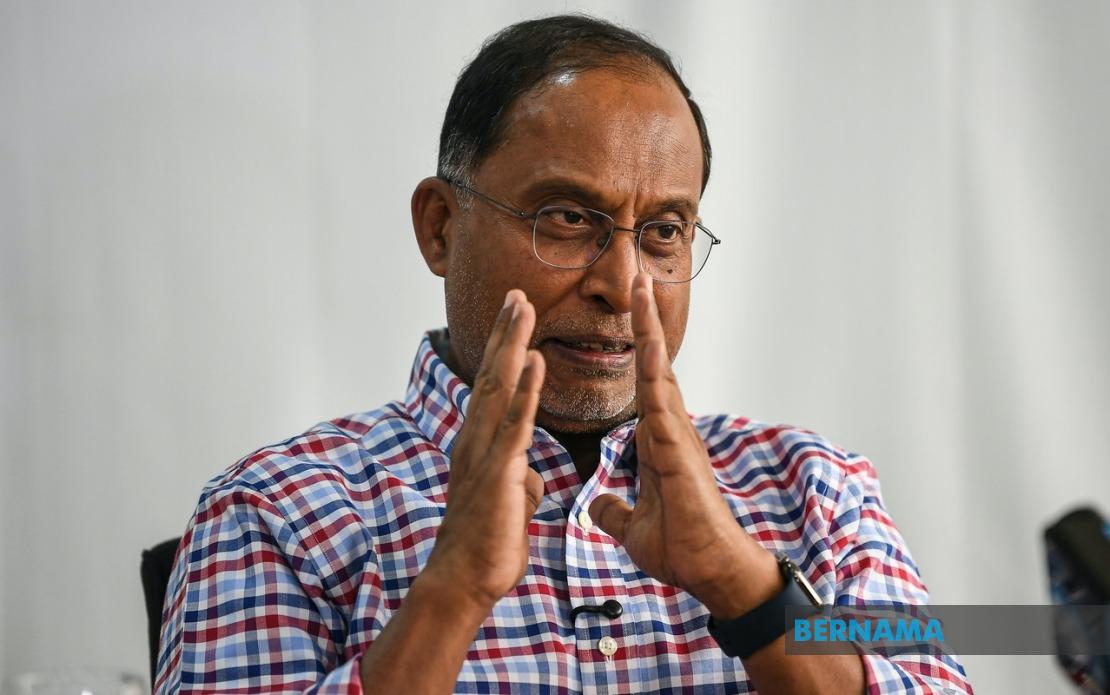
The controversy surrounding university admissions in Malaysia has intensified as Higher Education Minister Datuk Seri Dr Zambry Abd Kadir hit back at claims that tens of thousands of students have gained entry to public universities through irregular means. The allegations, suggesting that between 30,000 and 60,000 students circumvented the standard admission process, represent a significant challenge to the government's credibility in managing one of the country's most critical institutions. Zambry's measured but firm response underscores the sensitivity surrounding higher education access—a matter that directly affects countless Malaysian families and shapes public perception of meritocracy in the nation's academic system.
The gravity of such accusations cannot be understated. If substantiated, the scale of alleged impropriety would fundamentally compromise the legitimacy of Malaysia's public universities and undermine decades of institutional trust-building. However, Zambry's central argument hinges on a critical distinction: the allegations remain unsubstantiated. The minister emphasised that claims of this magnitude demand rigorous evidence, comprehensive data analysis, and a transparent methodology before they can be taken seriously by policymakers and the public alike. This positions the debate squarely within the realm of accountability and standards of proof rather than dismissing concerns outright.
The minister articulated Malaysia's university admission framework as a merit-based system operating through established, transparent procedures that adhere to specified eligibility criteria. This characterisation reflects how the government wishes the selection process to be understood—objective, fair, and divorced from financial considerations or political influence. Yet the persistence and scale of allegations suggest that public perception may diverge significantly from this official narrative. When segments of society harbour doubts about the integrity of admission systems, even unfounded concerns can erode institutional credibility and create a chilling effect on student confidence in pursuing higher education through official channels.
Zambry's criticism extends beyond the veracity of the claims to encompass the broader implications of circulating unverified accusations. He highlighted how such narratives create a damaging perception that qualified candidates are being denied opportunities because positions have been allocated for personal gain or corrupt purposes. For parents and students navigating the admission process, this perception—whether grounded in reality or not—breeds anxiety and mistrust. The psychological and social consequences of widespread belief in a compromised system can be as corrosive as actual malfeasance, particularly in a society where educational attainment serves as a primary pathway to economic mobility and social advancement.
In response to the allegations, several public universities have taken the step of lodging police reports to facilitate formal investigations. This action represents an important institutional response, signalling that the sector takes the accusations seriously enough to invoke law enforcement scrutiny. Zambry carefully positioned this development as a commitment to due process rather than an attempt to suppress dissent, acknowledging that legitimate criticism of public institutions remains essential to democratic functioning. However, the filing of police reports also sends a subtle message: those making serious allegations should be prepared for the weight of legal scrutiny if evidence proves insufficient or claims prove false.
The minister's invocation of freedom of speech—while affirming its importance—introduces a nuanced argument about the boundaries of unfettered discourse. Zambry contended that the right to speak freely does not extend to spreading unsubstantiated accusations without consequence or accountability. This reflects a growing tension in public discourse across Southeast Asia between protecting robust debate and preventing the weaponisation of accusations for political or reputational purposes. The challenge lies in distinguishing between legitimate whistleblowing backed by evidence and inflammatory rhetoric designed to undermine institutions without substantive backing.
Zambry's demand for evidence, data, and credible substantiation reflects international standards for academic and policy discourse. Whether allegations originate from researchers, journalists, or civil society actors, responsible institutions increasingly expect that serious claims meet threshold standards of documentation and methodological rigour. The minister's insistence on these standards is neither unreasonable nor unusual; rather, it reflects how modern governance institutions in developed democracies handle similar controversies. However, the emphasis on evidence can also function as a gatekeeping mechanism, potentially disadvantaging critics who lack institutional resources to mount comprehensive investigations.
The Ministry of Higher Education's stated openness to constructive criticism presents a balancing act. Zambry indicated that the government welcomes feedback aimed at systemic improvement, yet the ministry simultaneously reserves the right to challenge baseless allegations through appropriate channels. This position reflects the classic tension between institutional defensiveness and genuine reform capacity. For Malaysia's higher education sector to thrive, it requires mechanisms that protect against reputational damage from unfounded claims while simultaneously maintaining sufficient openness to legitimate concerns that might identify genuine vulnerabilities in admission procedures.
The broader context of Malaysian higher education includes periodic scrutiny of university rankings, graduate employment outcomes, and internationalisation efforts. Against this backdrop, any suggestion of compromised admission standards threatens to undermine ongoing efforts to position Malaysian universities competitively within regional and global hierarchies. International institutions and employers evaluate Malaysian graduates partly based on assumptions about the rigour of local selection processes. Thus, the reputational stakes extend beyond domestic confidence to encompass the international marketability of Malaysian degrees and the country's soft power within Asia's education landscape.
For Malaysian readers particularly engaged with higher education—whether as parents, students, educators, or policymakers—this controversy highlights the importance of transparent communication around admission processes. While Zambry's response articulates the government's position clearly, future institutional credibility may depend on proactive disclosure of admissions data, regular audits by independent bodies, and systematic engagement with public concerns. Singapore and other regional peers have increasingly adopted granular public reporting on university admissions to address precisely these trust deficits.
The allegations, regardless of their ultimate validity, reflect underlying anxieties about access and fairness in Malaysia's education system. Whether concerns centre on whether merit truly determines admission, whether wealthy families enjoy advantages, or whether political connections facilitate entry, these represent legitimate public interests warranting careful institutional attention. The path forward likely requires both rigorous investigation of specific claims and broader systemic reforms designed to enhance transparency and reinforce confidence in Malaysia's university admission mechanisms.