A historic shift in US-Iran relations has crystallised with the formal completion of a 14-point memorandum of understanding aimed at resolving the dispute that has defined decades of bilateral tension. Iranian Foreign Ministry spokesman Esmail Baghaei announced early Thursday that the agreement, dubbed the "Islamabad memorandum," had become fully official following signatures from both Tehran and Washington. The development marks a significant diplomatic breakthrough in a relationship long characterised by hostility and mutual accusations.
The agreement represents an attempt to chart a new course between two regional powers whose confrontation has reverberated across the Middle East. According to Baghaei, the signing process was conducted digitally rather than through a traditional ceremony, with negotiating teams now positioned in Geneva to commence substantive discussions. This unconventional approach to formalising the accord reflects the delicate nature of the agreement and the political sensitivities involved on both sides.
The substance of the negotiations will concentrate exclusively on nuclear-related matters and the removal of economic sanctions that have strangled Iran's economy for years. These twin issues have constituted the core of US-Iran disputes since the 2015 nuclear accord's unravelling under the Trump administration. The framework now established provides a structured timeline for resolving these technical and political challenges, with the initial negotiating window set at 60 days, extendable if the complexity of outstanding issues demands additional time.
For Southeast Asian readers and observers, this development carries significance beyond the bilateral relationship. The stabilisation of US-Iran relations potentially alleviates tension in global oil markets, where Middle Eastern disruptions typically transmit shocks across maritime trade routes critical to regional economies. Malaysia, as a major trading nation heavily reliant on maritime commerce through the Strait of Malacca and beyond, maintains stakes in reducing geopolitical volatility that might disrupt shipping or energy supplies.
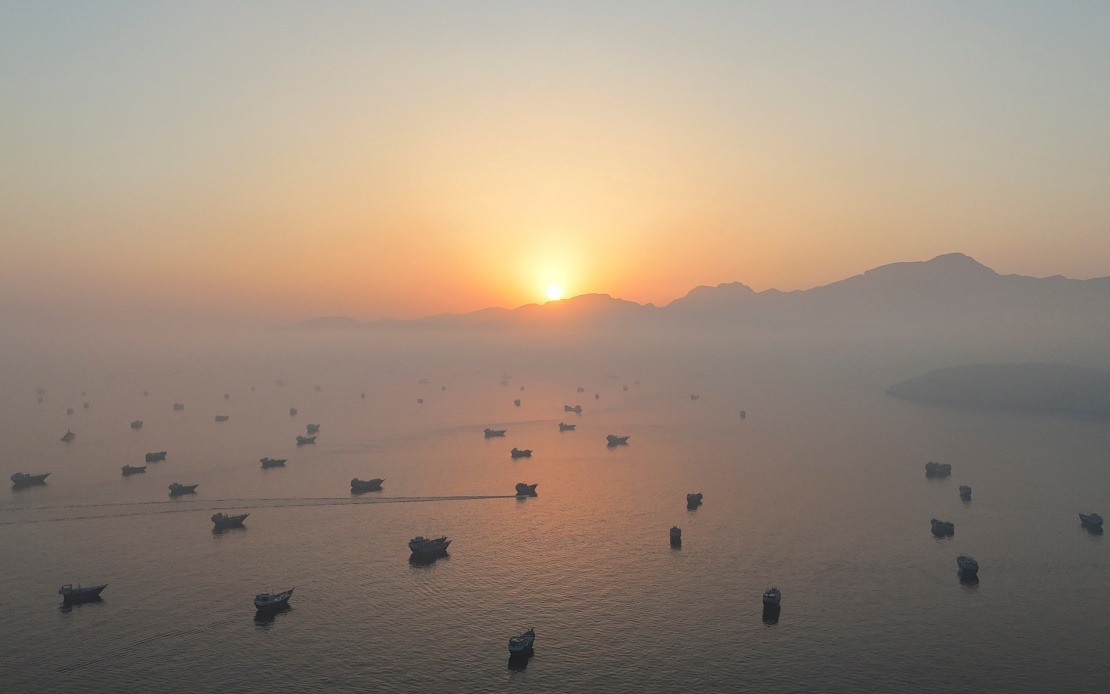
Baghaei indicated that American commitments regarding the lifting of its naval blockade on Iran had begun materialising following urgent discussions sparked by escalating Israeli military operations against Lebanon and Iranian statements of potential retaliation. This sequence suggests that external security crises served as a catalyst for both parties to accelerate agreement finalisation. The spokesman confirmed that Iranian vessels had already begun transiting ports without incident, characterising this as tangible evidence that US commitments were taking practical effect.
The memorandum explicitly conditions Iranian commitments regarding the Strait of Hormuz on the formal signing and implementation of the agreement. This provision carries weight for global commerce, as the Strait represents one of the world's most critical chokepoints for energy transportation. Any instability there reverberates through Asian supply chains and energy markets that Southeast Asian nations depend upon for economic stability.
Baghaei further cautioned that should Israeli military operations against Lebanese territory persist, such actions would constitute violations of American undertakings under the memorandum. This formulation intertwines the US-Iran agreement with the broader Israeli-Palestinian and Israeli-Lebanese conflicts, suggesting that regional stability in the Levant carries implications for the success of the accord itself. The warning underscores how interconnected Middle Eastern conflicts remain, even as one dimension of regional tension moves toward resolution.
President Donald Trump confirmed that he affixed his signature to the memorandum at the Palace of Versailles in France during a state dinner with French President Emmanuel Macron. This ceremonial setting, though the agreement was signed digitally rather than in person by the principals, lent historical symbolism to the moment. Photographs of the signed agreement were subsequently transmitted to Iranian officials and mediating nations, formalising the commitment in the diplomatic record.
The agreement emerged from intensive negotiations involving multiple international intermediaries, reflecting the complexity of bridging positions held by adversaries with decades of mutual grievance. The structured approach—focusing talks in Geneva, establishing clear timelines, and delineating which issues fall within the negotiating scope—provides both sides with a defined pathway while limiting opportunities for misunderstanding or divergence from agreed parameters.
The success of this memorandum depends on careful execution during the coming months. Both capitals have invested political capital in the accord, and implementation challenges will inevitably emerge as technical teams grapple with translating diplomatic language into operational arrangements regarding sanctions architecture, nuclear verification, and naval activities. Any breakdown could swiftly unravel the progress achieved, particularly given the volatile regional environment where Israeli military actions and Iranian responses continue shaping the broader context.
For Malaysia and Southeast Asia, sustained attention to these negotiations remains warranted. While not direct parties to the accord, the region's prosperity depends substantially on stable energy supplies and freedom of maritime passage. A successful resolution of US-Iran tensions reduces the probability of military escalation that might disrupt the global economy and regional trade networks that undergird Southeast Asian development. Conversely, should the agreement deteriorate, the consequences would ripple across supply chains and energy markets that Malaysia relies upon.
The memorandum thus represents more than bilateral reconciliation; it signals potential recalibration of Middle Eastern power dynamics at a moment when regional conflicts rage across multiple fronts. How the agreement functions in practice will reveal whether both governments possess sufficient commitment to sustained dialogue, or whether underlying suspicions and strategic competition will eventually overwhelm diplomatic progress.