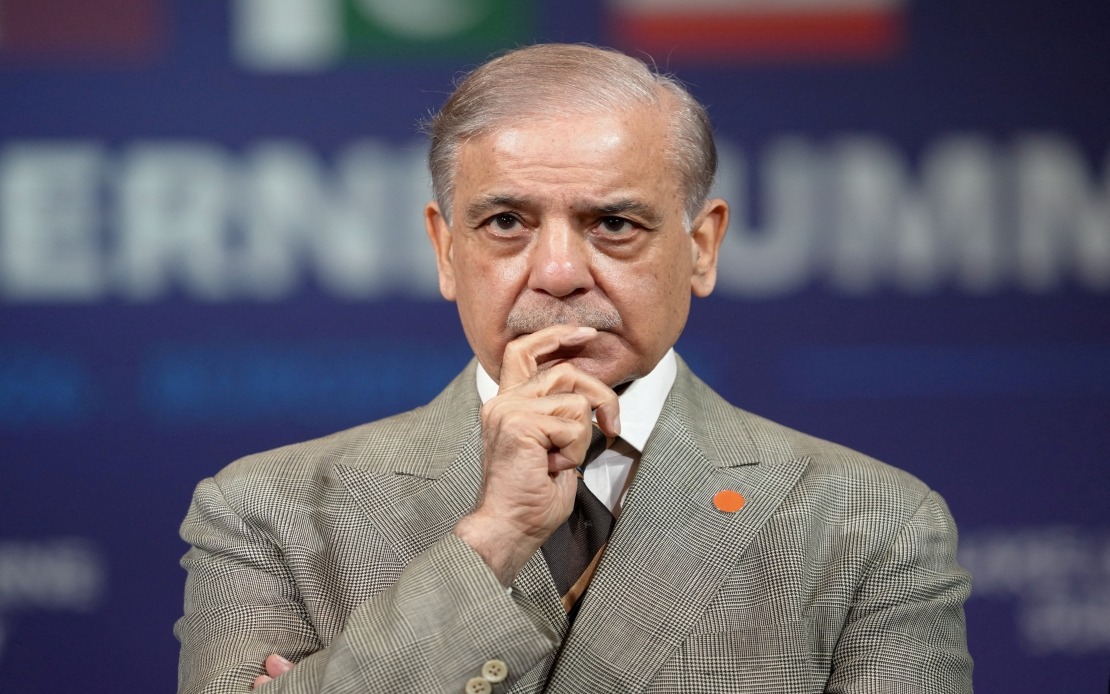
Pakistan's Prime Minister Shehbaz Sharif has disclosed that the United States and Iran will embark on intensive technical-level negotiations spanning the next 60 days, focusing on three critical areas: nuclear programmes, ballistic missile capabilities, and the longstanding issue of frozen Iranian assets. Sharif made the announcement to the National Assembly in Karachi on Tuesday, characterizing the momentum emerging from recent diplomatic engagements as a foundation for potentially transforming a preliminary understanding into a durable, long-term agreement.
The diplomatic initiative centres on the Islamabad Memorandum of Understanding, which Washington and Tehran signed on June 17, with Pakistan serving as an official mediator in the process. This MoU represents a structured framework through which both countries have committed to advancing negotiations on multiple fronts simultaneously. According to Sharif, the technical talks represent a crucial phase where negotiators will delve into the specifics of implementation mechanisms and verification protocols that any permanent accord would require. The Pakistani premier expressed cautious optimism that the current trajectory could yield substantive progress within the designated timeframe.
Earlier negotiations in Burgenstock, Switzerland, concluded on Monday with both parties having reached preliminary agreements on several procedural mechanisms intended to facilitate movement toward a comprehensive settlement. The Swiss venue provided neutral ground for the discussions, while Pakistan and Qatar jointly provided mediation services throughout the process. Sharif described these outcomes as "historic" progress, suggesting that substantive shifts have occurred in positions previously considered intractable. The establishment of the 60-day timeline reflects a shared recognition that sustained, focused engagement could resolve longstanding disputes that have defined US-Iran relations for decades.
However, Iran's Foreign Ministry has taken a notably different position on the scope of these negotiations. Spokesman Esmaeil Baghaei clarified on Tuesday that missile programmes have not featured in discussions with the United States during the Swiss talks, contradicting any impression that ballistic capabilities would be formally negotiated within the current diplomatic framework. This Iranian position carries significant implications for the stated agenda, as it suggests asymmetry in what the two sides believe is being discussed. Tehran's resistance to including missiles in the negotiating agenda reflects broader concerns about national sovereignty and the distinction Iran draws between its defensive military capabilities and its nuclear programme.
Additionally, Iran has signaled inflexibility regarding International Atomic Energy Agency access to nuclear facilities that were targeted during military operations. Baghaei explicitly stated that Tehran does not intend to grant IAEA inspectors permission to visit such facilities, establishing a red line that could complicate verification arrangements essential to any final nuclear accord. This stance presents a substantive obstacle, as international monitoring and inspection regimes have historically been central to nuclear non-proliferation agreements. The Iranian position suggests that any permanent arrangement will need to accommodate Tehran's security concerns while maintaining sufficient transparency to satisfy international stakeholders.
For Malaysia and the broader Southeast Asian region, these developments carry several implications. The potential normalization of US-Iran relations could reshape Middle Eastern geopolitics in ways affecting regional stability and energy markets. Southeast Asian nations, which maintain economic interests in both hemispheres, benefit from reduced tensions between major powers. Conversely, protracted negotiations could prolong uncertainty in global oil markets, impacting energy-dependent economies throughout the region. Malaysia's participation in regional forums discussing these issues reflects awareness that any significant shift in US-Iran relations warrants careful monitoring.
The 60-day negotiating window represents a critical juncture where technical experts will attempt to bridge fundamental differences on issues both sides consider non-negotiable. The success or failure of these talks will depend substantially on whether the negotiators can craft compromise formulations that address Iranian concerns about national security and sanctions relief while providing the United States and international community sufficient assurance regarding nuclear intentions and missile development trajectories. The involvement of Pakistan and Qatar as mediators underscores the importance of trusted intermediaries in breakthrough negotiations.
The discrepancies between Pakistani and Iranian characterizations of what is being negotiated highlight the delicate nature of these discussions. While Sharif speaks of comprehensive engagement on multiple fronts, Iran's insistence that missiles are off the table and that nuclear facility inspections have limitations suggests that certain matters remain fundamentally contested. This gap between public messaging and actual negotiating positions often indicates that substantial groundwork remains before any comprehensive agreement can be finalized.
The next 60 days will determine whether these talks represent genuine movement toward resolution or whether they constitute tactical positioning by parties with incompatible objectives. International observers will watch closely for signs of flexibility on both sides, particularly regarding verification mechanisms and the sequencing of sanctions relief. The outcome will have ramifications extending far beyond the Middle East, affecting global security architecture and energy security calculations throughout Asia and beyond.

