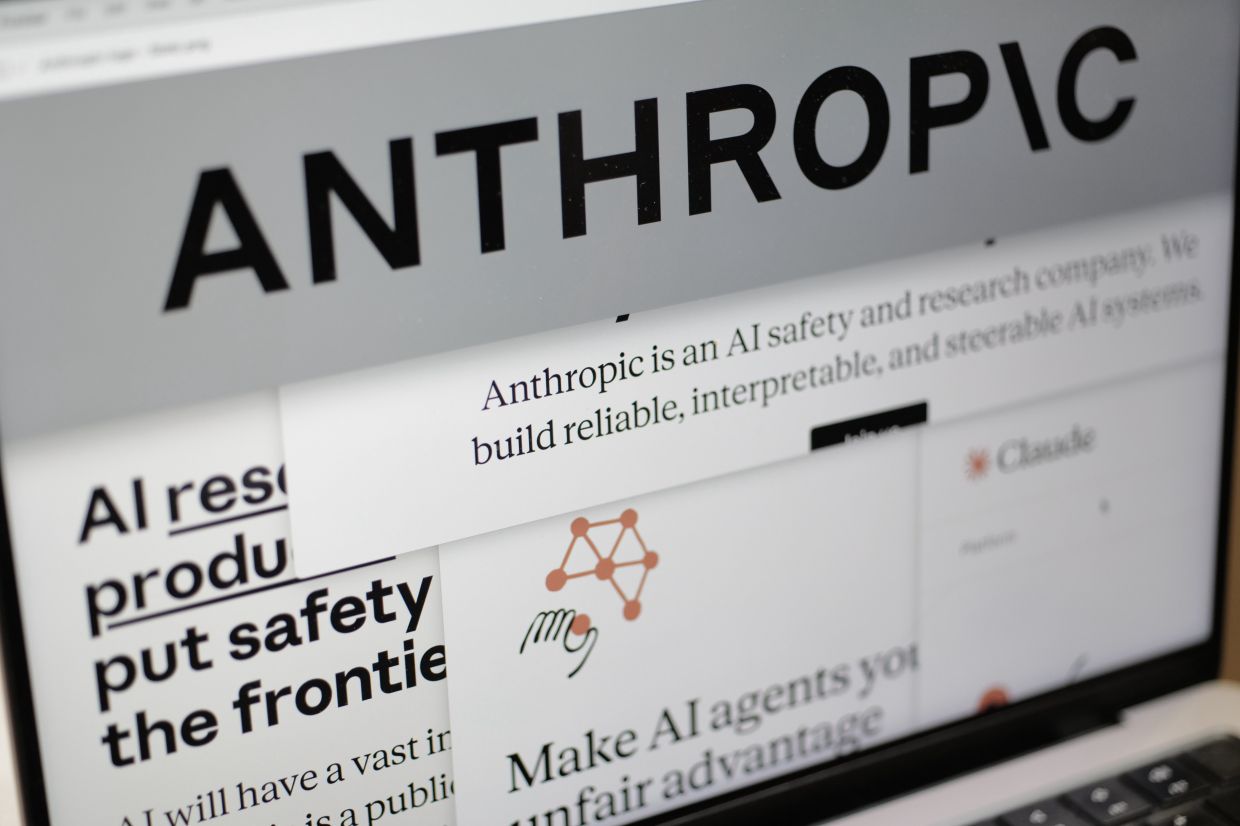
Legion, a litigation-technology company headquartered in the United States, has filed a federal lawsuit challenging the Trump administration's export controls that have effectively barred it from accessing Anthropic PBC's most sophisticated artificial intelligence models. The suit, lodged in federal court in Washington on June 23, represents an early legal confrontation over how stringent restrictions on advanced AI technology are reshaping access for American companies that employ international talent. The case underscores the practical complications arising from government efforts to prevent cutting-edge AI capabilities from reaching foreign nationals, even when those individuals are employed by US-based firms.
The dispute centres on Anthropic's decision to disable access to its Fable 5 and Mythos 5 models in response to directives from the Commerce Department. Legion, which develops software tools to streamline legal workflows for attorneys, maintains technical staff that includes Canadian nationals working remotely from Canada. This international staffing arrangement, once unremarkable in the technology sector, now places the company at odds with government policy. The company argues that the sudden revocation of access to Fable 5 — which it describes as central to its product development strategy — has inflicted immediate and severe damage.
In its legal filing, Legion characterised the impact of losing access as "immediate, irreparable and existential." The litigation-technology firm contends that the rapid pace of innovation in artificial intelligence means that competitors who maintain uninterrupted access to advanced models gain compounding advantages that cannot be recovered once ground is ceded. This argument reflects a broader concern among technology companies that export controls, while well-intentioned from a national security perspective, may inadvertently handicap American firms competing globally. The argument suggests that the competitive landscape in AI development moves too quickly for companies to catch up after periods of restricted access.
Commerce Secretary Howard Lutnick issued a letter to Anthropic Chief Executive Officer Dario Amodei warning that the company would need explicit government permission before deploying its Fable 5 and Mythos 5 models outside the United States or making them available to foreign nationals anywhere in the world. This blanket restriction, while designed to prevent advanced AI technology from reaching potential adversaries or foreign governments, creates practical friction for American companies that operate in an increasingly globalised technology sector. The policy reflects broader concerns within the Trump administration about maintaining technological superiority in artificial intelligence, a domain viewed as critical to national competitiveness and military capability.
Legion's complaint emphasises that the ongoing restriction disrupts its product roadmap, hampers operational efficiency, and prevents its engineering team from advancing development work. The company framed the situation as one where each passing day under the export control regime compounds the damage, as competitors worldwide continue iterating on available models. This framing attempts to establish urgency and irreversibility — key legal concepts when seeking preliminary relief from courts.
Anthrophlc, meanwhile, has indicated it is cooperating with government efforts to resolve the situation expeditiously. In a statement, a company spokesperson expressed gratitude toward the administration and emphasised the firm's commitment to working alongside government agencies. The statement highlighted shared objectives around protecting critical infrastructure and maintaining American leadership in artificial intelligence development. This diplomatic posture suggests Anthropic may be reluctant to antagonise the administration even as its customers face disruptions.
The case arrives at a moment when technology companies are grappling with how to navigate tightening restrictions on AI exports. Unlike traditional manufacturing where export controls have existed for decades, artificial intelligence presents novel enforcement challenges because the technology can theoretically be transmitted across borders instantly and accessed by anyone with internet connectivity. Governments worldwide are still calibrating how to implement restrictions that are both effective and economically sustainable for domestic companies.
For Malaysian and Southeast Asian technology companies and startups, this dispute carries indirect but important implications. Many regional firms rely on partnerships with American technology providers and may face their own complications if they employ engineers from countries deemed sensitive under US policy. The precedent being established through Legion's case could shape how broadly export controls are enforced and whether exemptions or workarounds might become available for allied nations and their companies.
The Trump administration and Commerce Department have not yet responded to requests for comment regarding Legion's lawsuit. The silence suggests the government may be evaluating its position or preparing a formal response through legal channels. How the courts resolve this case could significantly influence the trajectory of AI export policy and shape the competitive landscape for both American and international technology firms seeking to leverage cutting-edge artificial intelligence capabilities.
The broader tension at play reflects a fundamental challenge in the modern technology economy: how to protect national security interests without crippling the international competitiveness of domestic companies that depend on global talent and markets. Legion's lawsuit may ultimately force policymakers to develop more nuanced frameworks that distinguish between legitimate national security concerns and operational requirements of companies that happen to employ foreign nationals.

