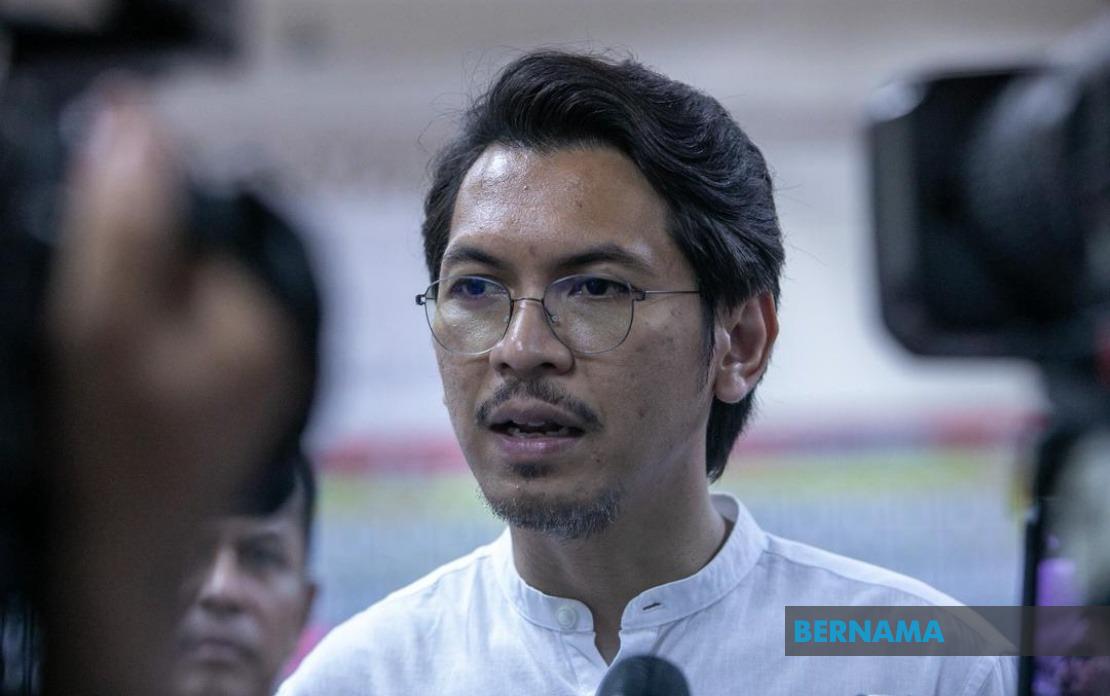
Malaysia stands to benefit from a memorandum of understanding between the United States and Iran aimed at resolving Middle East tensions, particularly through the reopening of critical shipping corridors and stabilisation of crude oil markets. Muhammad Kamil Abdul Munim, Political Secretary to the Minister of Finance, outlined this perspective while addressing government staff and citizens in Kuala Kangsar, emphasising that although the agreement signals positive developments, the timeline for meaningful price relief remains uncertain.
The geopolitical tensions affecting the Strait of Hormuz have created significant disruptions to global energy supply chains over recent months. If successfully concluded, the peace agreement would permit oil tankers and merchant vessels to resume normal transit through these crucial waterways, lifting the supply constraints that have kept crude prices elevated. For a trading nation like Malaysia dependent on stable energy imports, such normalisation represents a substantial economic benefit, reducing both direct fuel costs and the broader inflationary pressures rippling through domestic industries.
However, Kamil cautioned against expecting immediate price relief at petrol pumps nationwide. The recovery of global oil price equilibrium cannot occur overnight, he noted, because the logistics sector has accumulated substantial additional costs during the crisis period. Insurance premiums have risen sharply, transport expenses have climbed, and warehousing inefficiencies have added layers to the overall supply chain burden. These accumulated costs will not evaporate simply because shipping routes reopen; they will persist as structural price increases even as underlying crude valuations stabilise.
Malaysian authorities are already implementing domestic measures to shield citizens from oil price volatility. The government maintains RON95 petrol at RM1.99 per litre through ongoing subsidies, a policy Kamil highlighted as notably generous compared with pricing structures adopted by other nations facing identical global pressures. This commitment reflects the administration's priority in controlling domestic inflation and protecting household purchasing power during an extended period of global uncertainty.
Prime Minister Datuk Seri Anwar Ibrahim has expressed cautious optimism about the diplomatic trajectory, though he acknowledged that a definitive agreement between Washington and Tehran must materialise within 60 days. This deadline creates both opportunity and risk; successful negotiations could reshape regional stability, while failure would perpetuate current supply uncertainties and price pressures.
The government's Economic Action Council is actively monitoring the situation and preparing contingency measures spanning the next four to six months while the global energy picture clarifies. According to Kamil, officials are committed to preventing ordinary Malaysians from bearing excessive cost burdens during this stabilisation window. Policymakers will reassess subsidy arrangements and targeted assistance programmes based on evolving market conditions rather than adhering to rigid predetermined schedules.
The BUDI MADANI RON95 initiative, which provides subsidised fuel quotas of 200 litres monthly to participating motorists, exemplifies this flexible approach. The government intends to evaluate whether quota increases or other adjustments become appropriate as circumstances change. Such decisions will rest upon concrete global market indicators rather than political timelines, reflecting a pragmatic approach to welfare spending during uncertain times.
Beyond immediate fuel pricing concerns, Malaysia's broader energy security strategy increasingly encompasses geographic and commercial diversification. Anwar's planned official visit to Russia represents a strategic pivot toward expanding bilateral relationships in trade, diplomacy, and energy sectors. As Kamil explained, Malaysia recognises Russia's substantial economic capabilities and resource endowments, particularly regarding oil and energy production. For a relatively small trading economy, cultivating multiple international partnerships represents sound risk management.
This diversification imperative underlies Malaysia's diplomatic outreach, reflecting lessons learned from recent supply chain vulnerabilities. Overreliance on any single source or region leaves economies exposed to geopolitical shocks, as demonstrated by ongoing Strait of Hormuz tensions. By strengthening relationships with resource-rich nations like Russia, Malaysia positions itself to access alternative supply pathways and negotiating leverage in global energy markets.
The convergence of diplomatic developments, domestic price management, and international partnership-building reveals sophisticated policymaking responding to complex realities. Malaysian decision-makers recognise that neither crude oil prices nor geopolitical stability can be controlled unilaterally, yet targeted interventions in the domestic market, combined with strategic bilateral engagement, can meaningfully influence national economic outcomes.
Looking ahead, the coming months will prove crucial in determining whether the US-Iran understanding translates into durable peace or temporary ceasefire. Malaysia's preparation for multiple scenarios—accelerated recovery, extended crisis, or renewed deterioration—demonstrates institutional readiness. Policymakers have calibrated subsidy levels and engagement strategies to accommodate plausible ranges of outcomes rather than betting everything on single preferred scenarios.
For Malaysian households and businesses, the path forward involves both cautious optimism and realistic patience. Petrol prices may stabilise gradually as global conditions normalise, but consumers should expect that transportation costs, insurance premiums, and broader inflationary effects will recede more slowly than headline crude prices. The government's commitment to maintaining affordable fuel access provides a buffer, but ultimately Malaysia's economic resilience will depend on sustained diversification and balanced policymaking across multiple international relationships.

