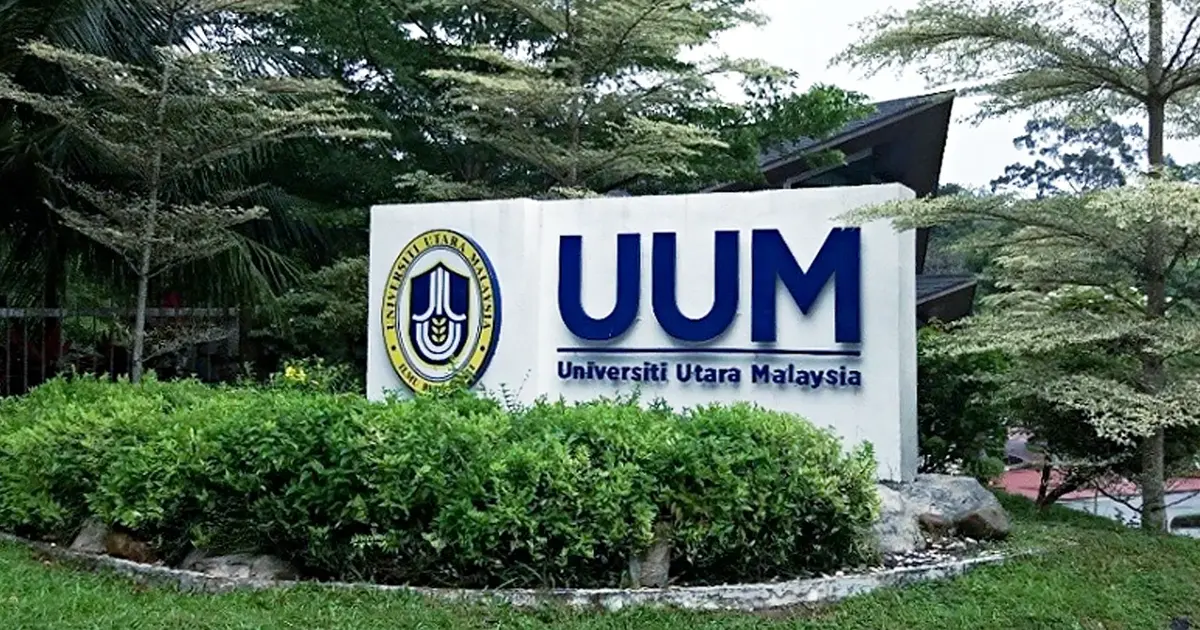
Universiti Utara Malaysia has emerged victorious in a protracted legal battle over the management and renovation of a shopping mall property, with the High Court awarding the university RM2.47 million in damages. The judgment also cleared the way for UUM to proceed with its contractual takeover of the property, dismissing entirely the opposing party's RM7.7 million counterclaim that had challenged the university's authority to assume control.
The court's decision reinforces important principles around contractual rights and institutional autonomy in Malaysia's higher education sector. Universities in the country often manage diverse property portfolios and commercial ventures as part of their revenue-generating activities, and this ruling provides clarity on how such disputes should be adjudicated when conflicts arise between institutional management and external parties involved in property operations.
UUM's successful recovery of damages reflects the financial impact that mismanagement or failure to perform contractual obligations can inflict on educational institutions. The RM2.47 million award compensates the university for losses incurred during the period when disputes over renovation standards and operational management created uncertainty and prevented proper oversight of the facility. For Malaysian institutions managing similar commercial properties, this case demonstrates that courts will protect their interests when contractors or operators fail to meet agreed-upon standards.
The dismissal of the RM7.7 million counterclaim is equally significant, as it represents a court determination that the defendant's attempts to challenge UUM's contractual right to take over the property lacked legal merit. This aspect of the judgment suggests that the defendant's grievances, whatever their substance, did not constitute a valid basis for attempting to block the university from assuming management control. Such clarity is essential in commercial law, as it prevents parties from using counterclaims as strategic tools to obstruct legitimate contractual enforcement.
For UUM specifically, this victory removes a major legal obstacle that had been preventing the institution from fully exercising its property rights. Shopping malls and commercial properties represent significant assets for Malaysian universities, and the ability to assume direct management control when necessary is crucial for maximising returns on institutional investments. The ruling enables UUM to move forward with implementing its own vision for the property's renovation and operational strategy without further legal impediment from the previous management arrangement.
The case also carries implications for how Malaysian courts interpret university governance and contractual authority. Educational institutions operate within specific regulatory frameworks established by the Ministry of Higher Education, and their commercial activities must align with institutional objectives and public interest considerations. By upholding UUM's contractual rights, the court affirmed that universities possess legitimate capacity to enter into property management agreements and enforce their terms through legal action.
From a broader perspective, this ruling addresses a recurring tension in Malaysia's higher education landscape: balancing the entrepreneurial imperative that drives many universities to generate supplementary revenue streams with the need for proper accountability and management standards. UUM's pursuit of damages suggests the university took seriously its fiduciary responsibility to ensure that commercial partners fulfilled their obligations, rather than simply accepting operational failures as unavoidable costs of doing business.
The financial dimensions of this dispute reveal why institutional property management matters considerably. A RM2.47 million judgment amount suggests substantial sums were at stake during the period of disputed management and renovation delays. For a university with multiple strategic priorities, such funds represent resources that could support academic programmes, research initiatives, or infrastructure development. The recovery therefore has tangible implications for UUM's ability to direct resources toward its core educational mission.
The case also underscores the importance of drafting clear, enforceable contract terms when educational institutions enter into property management arrangements. The court's finding that UUM's takeover rights were contractually sound suggests the university's original agreement with the operator contained sufficiently detailed provisions to establish the university's rights beyond dispute. This serves as a template for other Malaysian higher education institutions considering or renegotiating similar commercial arrangements.
Moving forward, this judgment may influence how property disputes involving Malaysian universities are settled. It establishes precedent that courts will carefully examine contractual language and institutional rights, supporting institutions that have taken care to document their authorities and requirements clearly. For contractors and operators working with universities, the ruling signals that courts expect performance standards to be met as specified, and that institutions have recourse when they are not.
The broader context of Malaysian university commercialisation continues to evolve as institutions seek sustainable funding models beyond government allocations. Shopping malls, residential complexes, and hospitality ventures have become common among established universities seeking revenue diversification. This case demonstrates that such undertakings, while potentially profitable, require the same rigorous management and contractual discipline as any corporate enterprise. UUM's willingness to pursue its claim through the courts, rather than settling for reduced compensation, reflects a maturing institutional approach to protecting educational assets and institutional interests.
The resolution of this dispute also removes uncertainty that may have affected stakeholder confidence in UUM's commercial operations. Investors, contractors, and potential partners watching the outcome would now understand that the university is prepared to enforce its rights and that contractual commitments made with UUM carry legal weight backed by institutional resolve. This confidence factor, though difficult to quantify, supports the long-term viability of UUM's property portfolio and commercial ventures as viable institutional assets in Malaysia's competitive higher education environment.

