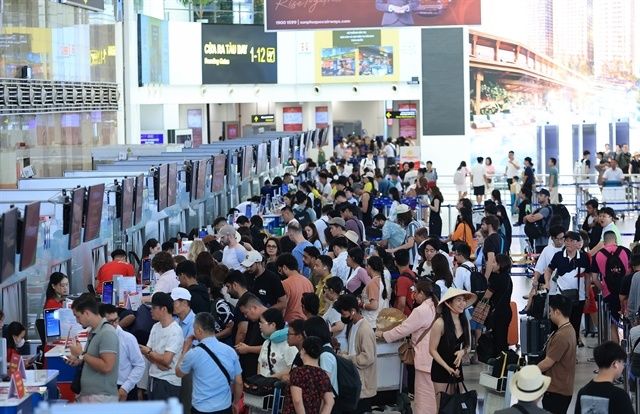
Vietnam's government has introduced sweeping new protections for airline passengers, mandating compensation for flight delays under Decree No. 208, which takes effect next month. The regulation represents a significant shift in passenger rights across Southeast Asia's aviation sector, establishing clear definitions and obligations that airlines must follow when operations go awry. The decree provides comprehensive guidance on civil aviation matters, encompassing everything from the definition of delays to the specific remedies carriers must provide when flights are disrupted.
Under the new framework, any departure occurring more than 15 minutes after the scheduled time qualifies as a delay, while delays of four hours or longer are classified as extended disruptions. This distinction matters because it triggers different levels of airline responsibility. The decree mandates that carriers inform passengers immediately when delays occur, with apologies and transparent explanations of the cause. Crucially, airlines must update airport information displays every half hour with revised departure times, ensuring passengers have access to accurate information throughout their wait.
For delays stretching two hours or beyond, Vietnamese carriers must provide tangible support to stranded passengers. Airlines must offer drinking water or issue vouchers of equivalent monetary value, addressing the basic needs of frustrated travellers. When delays result from the airline's own operational failures, the obligations expand significantly. Carriers must rebook passengers on alternative flights without charging additional fees or applying normal itinerary restrictions, and they must offer rebooking on different routes entirely if the passenger requests it.
Night-time disruptions receive special consideration under the decree's provisions. When delays occur between 10pm and 7am, airlines must arrange appropriate accommodation for rest or sleeping, tailored to local conditions at the affected airport. For disruptions happening during daytime hours between 7am and 10pm, carriers must provide suitable rest facilities according to whatever facilities the airport has available. This recognition of passenger comfort during extended waits reflects evolving regional standards for airline accountability.
Schedule changes—when airlines alter a flight's departure time—trigger protection mechanisms proportional to the magnitude of the change. When carriers advance or delay flights by five hours or more, passengers gain the right to request full refunds, rebooking on alternative itineraries with adjusted timing, or placement on another flight within 72 hours. However, schedule adjustments of four hours earlier or 15 minutes later than originally planned allow carriers to follow their own published policies. This graduated approach acknowledges that minor timing adjustments differ fundamentally from major disruptions that could affect passenger plans.
Cancellations, defined as the non-operation of any flight for which at least one passenger held a confirmed ticket, trigger the most stringent requirements. Airlines must notify affected passengers immediately, apologise, and explain the cancellation reason. When the airline bears responsibility for the cancellation, passengers receive three options: rebooked passage on suitable alternative routes, a full fare refund, or reimbursement of the unused ticket portion. In each case, the airline must waive restrictions on itinerary changes and rebooking surcharges that would normally apply.
The regulation's impact extends beyond individual passenger transactions to encompass broader industry accountability. Vietnam's Minister of Construction will establish additional details regarding advance compensation amounts, payment deadlines, and carrier reporting obligations. This administrative framework suggests a government committed to ensuring the decree achieves its protective intent rather than remaining symbolic legislation. Airlines operating in Vietnam will need to develop systems for tracking delay incidents, calculating compensation, and processing passenger requests within stipulated timeframes.
For Malaysian travellers and others across Southeast Asia, Vietnam's decree represents a model that contrasts with varying passenger protection standards across the region. While some nations have implemented comprehensive aviation passenger codes, others rely on carrier-specific policies or minimal regulatory oversight. Vietnam's approach aligns more closely with international best practices, though specific compensation amounts—to be determined by the construction ministry—will ultimately determine whether protections match or exceed standards in other regional markets.
The practical implications for airlines operating Vietnamese routes are substantial. Carriers must invest in better communication systems, crew scheduling management, and passenger care protocols to minimise delay-related compensation liabilities. Airlines with strong operational reliability records will gain competitive advantages under a regulatory regime that penalises service disruptions. Budget carriers, which traditionally operate with tighter margins and less operational slack, may face particular cost pressures from compliance obligations.
Regional aviation industry observers will likely monitor Vietnam's implementation closely, particularly whether enforcement matches the decree's ambitious scope. Passenger complaints mechanisms, dispute resolution procedures, and carrier compliance rates during the first months will indicate whether the regulation fundamentally improves passenger experiences or functions primarily as theoretical protection. The decree's success could influence aviation policy discussions in neighbouring countries weighing similar passenger protection frameworks.
The timing of Vietnam's regulatory shift reflects broader Southeast Asian trends toward stronger consumer protections and improved service standards as the region's aviation sector matures. As more middle-class passengers travel by air, governments face growing pressure to establish passenger rights frameworks that protect legitimate traveller interests while maintaining healthy airline operations. Vietnam's decree attempts to balance these competing interests through graduated obligations that scale with disruption severity, providing reasonable accommodations without imposing unrealistic financial burdens on carriers.
Implementation challenges will likely emerge despite the decree's clarity. Airlines may face difficulties precisely calculating compensation or determining fault attribution in complex operational situations. Passengers unfamiliar with their rights might struggle to claim entitlements without clear guidance. Customer service interactions could become contentious if staff lack proper training on the new requirements. These practical considerations will determine whether the decree translates regulatory intent into meaningful passenger protection.

