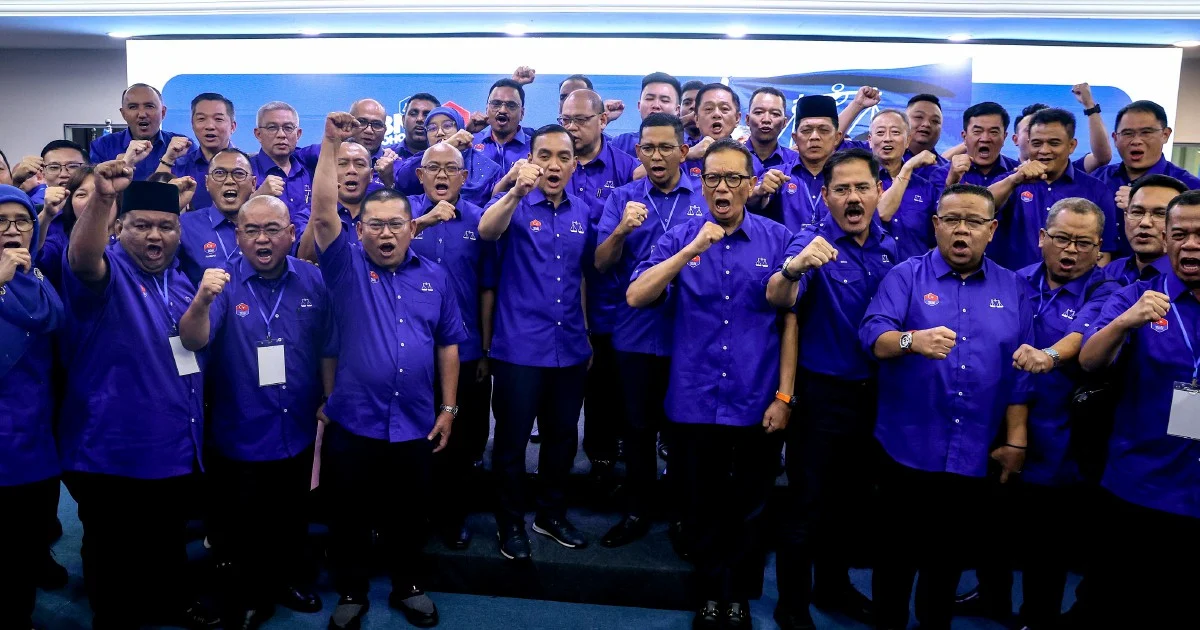
Speculation about a possible three-cornered political arrangement in Johor has effectively ended with Barisan Nasional's decision to field its own slate of candidates without including leaders from Parti Wawasan Negara, signalling the coalition's preference to contest the state elections independently despite earlier talk of collaboration.
The disclosure of BN's candidate list represents a significant juncture in the lead-up to Johor's state polls, settling weeks of uncertainty about whether the ruling coalition would expand its reach by incorporating Wawasan into electoral arrangements. Political observers had closely monitored whether such an alliance might materialise, given discussions involving BN, Pas, and the smaller Wawasan party in recent months. The announcement definitively closes that chapter.
Wawasan's absence from BN's nominated candidates underscores the coalition's confidence in its established machinery and existing partners within the state. The decision reflects internal calculations about viability, resources, and the political calculus of incorporating new players into what remains a tightly managed electoral structure. It also suggests that negotiations, if they occurred at all, did not progress sufficiently to warrant formal integration into BN's campaign machinery.
This outcome carries particular resonance for Johor's political landscape, where BN maintains deep institutional roots and considerable administrative advantages. The coalition's self-reliant approach preserves its flexibility in seat allocation among established component parties while avoiding the complications of managing additional political entities during a demanding election campaign. Such independence also allows BN to maintain focused messaging without navigating the competing priorities of additional coalition members.
For Wawasan, the exclusion represents a setback in efforts to gain electoral prominence and access to contested parliamentary and state seats. The party has sought relevance within Malaysia's political ecosystem and had potentially viewed a BN partnership as a pathway to greater influence and representation. Without such backing, Wawasan faces considerably steeper challenges in translating its organisational efforts into tangible electoral outcomes in Johor.
The PAS dimension adds another layer to the political realignment. As an established opposition force with independent electoral strength, PAS operates within a distinct strategic framework from Wawasan. The willingness of both Pas and BN to potentially cooperate, while simultaneously excluding Wawasan from formal candidate arrangements, demonstrates how fluidity continues to characterise Malaysian electoral politics even as alliance patterns shift and reconfigure.
For Malaysian voters, BN's consolidated candidate slate presents a clearer organisational picture. Constituents in Johor will encounter a coalition presenting unified, established candidates rather than navigating a more fragmented political environment. This streamlining potentially enhances message clarity and voter decision-making, though it simultaneously narrows the represented political spectrum within the dominant coalition framework.
Regionally, Johor's electoral dynamics influence broader Southeast Asian political trends. As Malaysia's southernmost state and a significant economic hub bordering Singapore, political developments here resonate across borders and affect regional stability considerations. BN's performance in Johor carries implications for federal coalition stability, state-level governance effectiveness, and Malaysia's broader political direction.
The timing of BN's candidate announcement arrives as the coalition recalibrates its positioning following previous electoral setbacks. This contest represents an opportunity to demonstrate renewed organisational capacity and voter appeal. The decision to proceed without additional coalition partners suggests confidence that existing structures sufficiently address electoral requirements, though it also reflects conservative preference for proven arrangements over experimental political configurations.
Looking forward, the absence of Wawasan leaders from BN's candidate roster may reshape that party's strategic orientation. Wawasan might pursue independent candidacies, seek alternative alliances, or recalibrate its political engagement approach. Such developments would continue the pattern of Malaysian electoral politics as characterised by strategic repositioning and shifting partnership calculations.
For BN specifically, the forthcoming election will test whether the coalition's traditional strengths in Johor remain sufficient to defend its political position without requiring expansion into new political entities. The results will provide clarity on whether the coalition's determination to proceed independently was a sound strategic calculation or whether opportunities were missed through the rejection of additional alliance possibilities.

