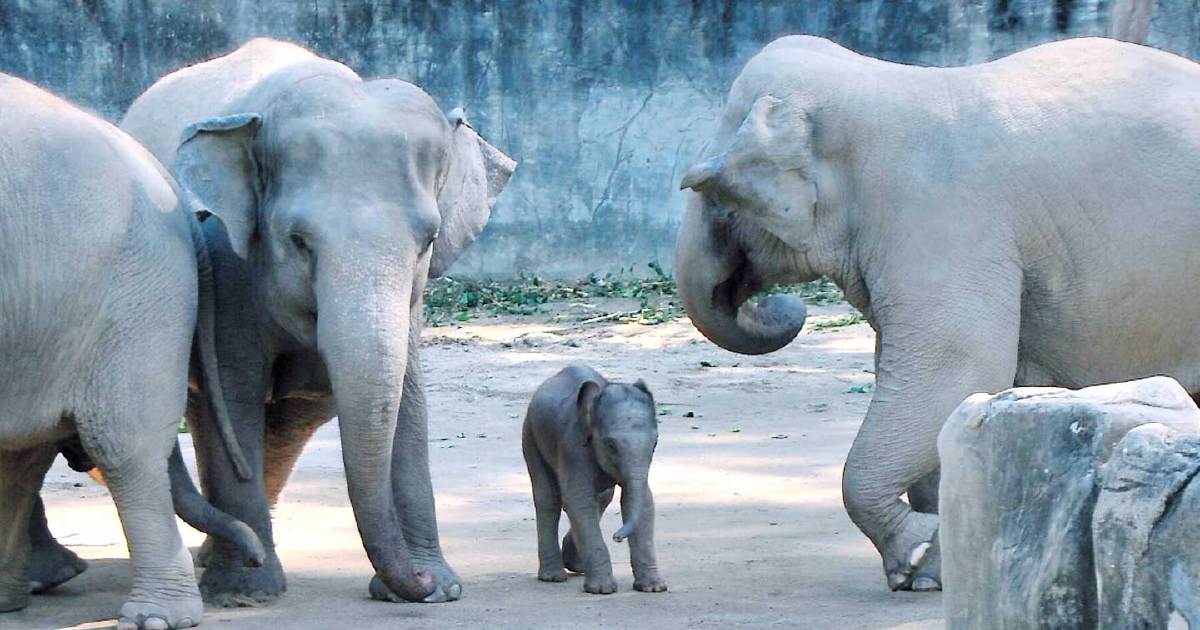
A wildlife advocacy group in Malaysia has levelled serious allegations that a substantial payment connected to the relocation of three elephants to a zoo in Japan failed to reach government accounts, instead being directed toward unnamed individuals. The claim, which centres on RM53 million in transaction value, has drawn attention to potential financial irregularities in a high-profile international animal transfer arrangement.
The assertion represents a significant concern regarding financial governance in cross-border wildlife arrangements, an area that typically involves multiple agencies and commercial partners. Such transfers are generally subject to oversight from Malaysia's Department of Wildlife and National Parks, the Ministry of Natural Resources and Environment, and relevant state authorities. The alleged diversion of funds from a deal of this magnitude suggests potential lapses in accountability mechanisms that should ordinarily track substantial financial flows related to state assets.
Wildlife transfers between nations occur regularly but remain contentious in conservation circles. These arrangements often generate revenue through transaction fees, licensing agreements, or direct payments from receiving institutions. In this instance, the three elephants destined for the Japanese zoo represent valuable living assets, and the financial arrangements surrounding their relocation would typically be expected to channel funds through official government pathways. The allegation that money bypassed these channels raises fundamental questions about transparency in wildlife trade authorisation and execution.
The wildlife group's claims implicate not merely financial mismanagement but potentially the integrity of institutional decision-making across several government bodies. Such concerns resonate particularly in Malaysia, where previous controversies surrounding natural resource management have prompted greater public scrutiny of how assets are monetised and revenue is distributed. The credibility of agencies responsible for wildlife protection depends partly on demonstrable financial accountability, especially when transactions involve internationally recognised endangered species.
Elephant transfers warrant particular scrutiny because Asian elephants are protected under Malaysian law and international conventions, including the Convention on International Trade in Endangered Species of Flora and Fauna. Any commercial arrangement involving these animals must navigate complex regulatory frameworks designed to ensure that transactions benefit conservation rather than merely commercial interests. If payment mechanisms circumvent official government accounts, questions naturally arise about whether proper environmental and ethical assessments accompanied the transfer approval process.
The alleged diversion points to potential governance weaknesses in how Malaysia manages wildlife asset transfers. Government institutions responsible for such decisions face pressure from multiple directions: conservation advocates who oppose trading in protected species, local communities with claims on forest resources and wildlife, international partners seeking to acquire specimens for zoological purposes, and commercial intermediaries seeking profit from facilitating such deals. Without transparent financial accounting, distinguishing legitimate conservation funding from personal enrichment becomes impossible.
For Malaysian readers, this controversy touches on broader concerns about natural resource stewardship and whether state assets generate returns that benefit public interest or enrich connected individuals. Elephant populations in Malaysia face genuine conservation challenges, including habitat loss and human-wildlife conflict. Revenue from carefully managed wildlife arrangements could theoretically support conservation efforts, habitat protection, and community engagement programmes. If such funds instead disappear into private channels, the conservation justification for these transactions evaporates entirely.
Regionally, Malaysia's approach to wildlife transfer governance carries implications for other Southeast Asian nations managing similar species and transboundary conservation challenges. Standards for financial transparency in such arrangements could establish precedents affecting how elephants and other protected animals are managed across the region. Thailand, Laos, Myanmar, and Indonesia all grapple with balancing elephant conservation against economic pressures and wildlife trade temptations. Establishing robust accountability mechanisms in Malaysia might influence regional approaches to similar dilemmas.
The alleged payment diversion also raises questions about the institutions and individuals involved in facilitating the transfer. Legitimate wildlife transfers typically involve transparent bidding processes, independent zoological assessments, and documented payment trails. If payments were instead routed to private individuals, this suggests either deliberate concealment or strikingly inadequate financial controls. Either scenario warrants investigation to determine whether legal violations occurred and who bears responsibility.
Government bodies implicated by the wildlife group's allegations will likely face pressure to provide detailed financial documentation, correspondence related to the transfer arrangement, and formal justifications for how the transaction proceeded. Such transparency is essential not only for addressing immediate financial concerns but also for restoring public confidence in Malaysia's stewardship of protected species and natural resources.
The timing and nature of these allegations suggest growing civil society vigilance regarding wildlife governance, an encouraging development for conservation advocates. However, allegations alone require substantiation through investigation. Whether the claims prove accurate or represent misunderstanding, the situation underscores that wildlife transfers demand financial systems as rigorous as their ecological considerations. Without such oversight, Malaysia risks compromising both its conservation credentials and its international reputation as a responsible custodian of endangered species.

