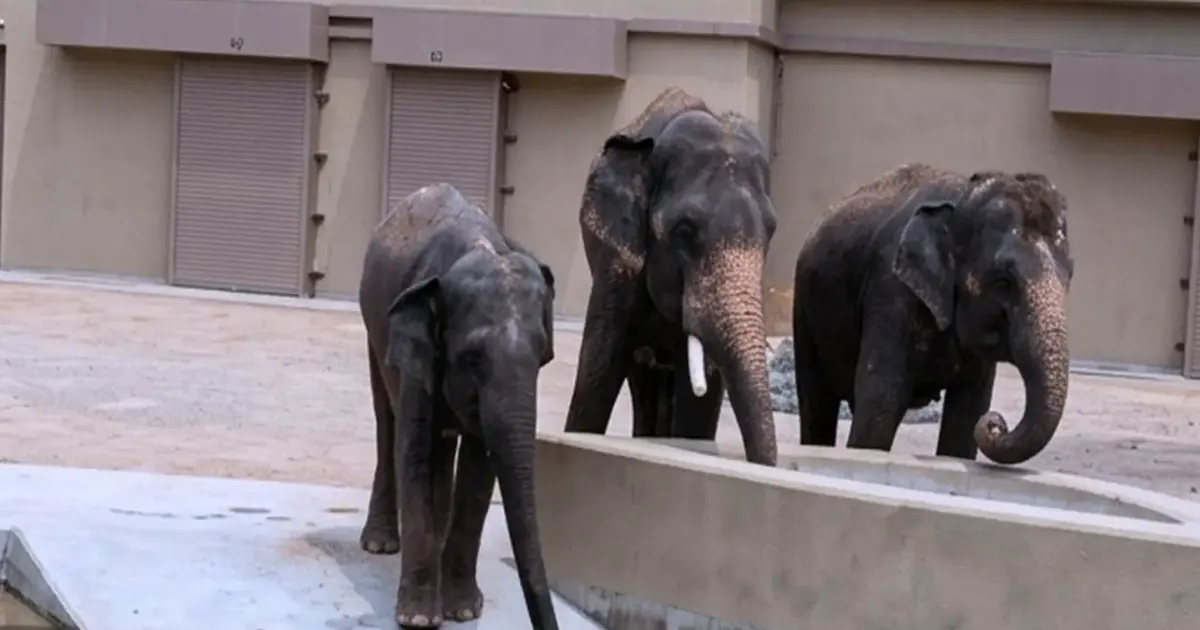
A prominent Malaysian wildlife organisation has escalated scrutiny of a controversial elephant shipment to Japan, urging the Bukit Aman police headquarters to establish a dedicated task force to examine the transaction. Peka, the wildlife protection group, contends that significant discrepancies embedded in the shipping paperwork warrant formal criminal investigation, raising questions about whether the relocation scheme adhered to domestic legal requirements and Malaysia's commitments under international conservation agreements.
The organisation's intervention adds substantial pressure on government authorities to verify the legitimacy of the elephant transfer deal. Peka's allegations centre on inconsistencies within documentation systems that purportedly managed the dispatch of the animals to Japan, suggesting that proper procedures may have been circumvented during the approval and execution phases. The group's request for a specialised police task force reflects mounting concerns that the transaction could represent a violation of established protocols governing wildlife commerce and protection.
At the heart of Peka's complaint lies the question of whether relevant Malaysian agencies conducted thorough due diligence before authorising the shipment. International wildlife transfer arrangements typically require stringent compliance with multiple regulatory frameworks, including species protection laws, animal welfare standards, and bilateral agreements governing animal movement across borders. The alleged documentation discrepancies suggest that such verification measures may have been inadequate or deliberately circumvented.
Malaysia's obligations under international conservation treaties add another dimension to this controversy. The nation is signatory to various instruments designed to regulate the trade in endangered and protected species, ensuring that wildlife transfers occur only under approved conditions with demonstrated conservation benefits. If the elephant relocation failed to satisfy these international standards, it could represent a breach of Malaysia's treaty commitments and potentially subject the country to diplomatic or legal consequences.
The involvement of Japan in this transaction raises additional scrutiny, as the destination country operates under its own wildlife import regulations. Japanese authorities would similarly be expected to verify that incoming animals satisfy their legal requirements and that the source country properly authorised the export. Should Malaysian documentation prove deficient, both nations' credibility in wildlife protection could suffer reputational damage within international conservation circles.
Peka's call for police investigation indicates that the organisation suspects criminal conduct rather than mere administrative negligence. This distinction carries significant weight, as criminal investigation would potentially broaden the scope beyond procedural failures to encompass possible fraud, misrepresentation, or deliberate circumvention of legal safeguards. If substantiated, such findings could result in prosecutions and substantial penalties against responsible parties.
The elephant transfer controversy reflects broader tensions within Malaysia's wildlife management sector. Zoos, research facilities, and conservation programmes regularly arrange animal movements, but each transaction must demonstrate clear scientific, educational, or conservation merit. Public organisations like Peka play a vital watchdog role, ensuring that such arrangements genuinely serve wildlife interests rather than functioning as commerce disguised in conservation rhetoric.
For Malaysian readers, this episode underscores the importance of transparent governance in environmental matters. The nation's reputation as a steward of Southeast Asian biodiversity depends partly on demonstrable commitment to rigorous oversight of wildlife-related activities. Credibility erosion in this domain could complicate future international conservation collaborations and weaken Malaysia's voice in regional environmental negotiations.
The potential involvement of Bukit Aman, Malaysia's principal police headquarters, signals that authorities are taking Peka's allegations seriously enough to consider formal investigation. However, the actual launch of a dedicated task force would represent an escalation requiring high-level approval and resource allocation. The decision by police leadership will likely reflect assessments of whether prima facie evidence exists to justify investigative costs.
Stakeholder perspectives in this matter extend beyond environmental circles. Animal welfare advocates, scientific institutions, government agencies responsible for wildlife administration, and diplomatic representatives all maintain distinct interests in the outcome. A thorough investigation would need to balance these competing concerns while maintaining focus on factual findings.
The timeline for any investigation remains unclear, though Peka's public call for action suggests the organisation intends to maintain momentum and public awareness until authorities respond substantively. This sustained pressure could influence official decisions about whether to proceed with formal inquiry into the elephant transfer arrangements.
Ultimately, the case illustrates how Malaysian civil society organisations increasingly assert oversight roles in government decision-making, particularly regarding environmental and animal welfare matters. Whether authorities respond constructively to Peka's request will signal Malaysia's genuine commitment to wildlife protection standards and may set precedent for future scrutiny of comparable transactions.

