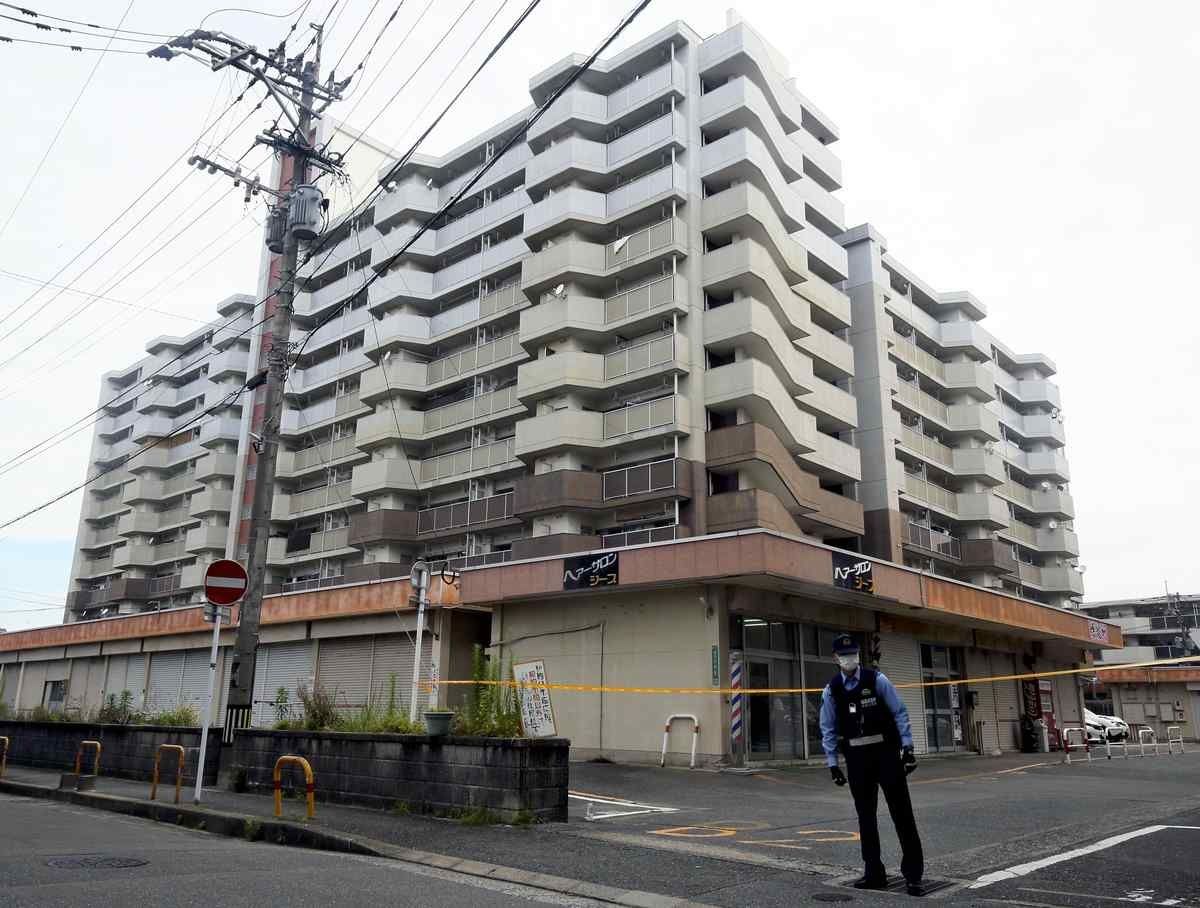
A 36-year-old woman was taken into custody in Fukuoka City on Thursday, June 18, following the fatal stabbing of a 33-year-old acquaintance in what authorities are treating as a domestic violence homicide. The incident unfolded in the early morning hours, shortly after 3.15am, when the suspect used a knife-like implement to inflict multiple wounds on her friend's neck and chest area. The victim was rushed to hospital but was pronounced dead upon arrival, marking a tragic conclusion to what may have begun as a domestic dispute or conflict between housemates.
The Fukuoka Prefectural Police's Higashi Station initially charged the suspect with attempted murder when she was arrested, though investigators swiftly moved to upgrade the case classification to murder as the victim succumbed to her injuries. This administrative shift reflects the severity of the assault and the fatal outcome, triggering a more intensive investigative response. The suspect has since admitted responsibility for the attack without contesting the facts presented by detectives, according to police records released by the station.
In a confession to officers, the 36-year-old acknowledged her actions with stark simplicity, telling investigators: "It's true I did it. I stabbed her many times." This admission suggests either a breakdown in impulse control, the culmination of longstanding interpersonal tensions, or circumstances investigators are still working to understand. The candid nature of the confession may indicate the suspect's acknowledgement of the gravity of her actions, though authorities have not yet disclosed any motive or background context that might explain the violence.
What distinguishes this case as particularly disturbing is the proximity of the victim's three elementary school-aged children to the violence. The children were reported to be asleep in another room within the same dwelling at the time of the attack, placing them in close physical proximity to a traumatic incident that occurred in the predawn darkness. The psychological impact on these young witnesses—whether they remained unaware or were awakened by the commotion—raises significant child welfare and trauma support considerations for social services in Fukuoka.
The incident reflects a troubling pattern in Japan and across East Asia, where intimate-setting violence claims lives in residential spaces where children are present. The domestic sphere, traditionally regarded as a sanctuary, becomes a site of lethal conflict with consequences extending far beyond the immediate victim. Investigators will likely scrutinize the relationship history between the two women, living arrangements, financial disputes, or other stressors that may have precipitated such a violent confrontation.
Fukuoka, located in southwestern Japan on the island of Kyushu, has in recent years grappled with various crime challenges. This homicide adds to the prefecture's criminal caseload and will likely prompt discussions about victim support services, domestic violence intervention, and early warning systems for at-risk households. The case also raises questions about whether cohabitation circumstances or warning signs were visible to neighbours, local officials, or community members prior to the fatal attack.
The procedural aspects of the case—the arrest, the charge reclassification, and the suspect's admission—suggest a relatively straightforward investigative process on the evidentiary front. However, the deeper inquiries into motive, relationship dynamics, and the circumstances leading to such extreme violence will occupy detectives in the weeks ahead. Prosecutors will need to establish not only that the stabbing occurred, but also whether mental health factors, substance use, or premeditation played roles in shaping the suspect's behaviour.
For the victim's family and the three children now bereft of a parent, the tragedy represents an unfathomable loss. Beyond the immediate circle of family and friends, the incident resonates across Japanese society as a reminder of the vulnerability inherent in shared domestic spaces and the potential for violence to erupt without warning. The children's futures—their psychological wellbeing, educational continuity, and emotional recovery—will depend significantly on the quality of support services mobilised by local authorities and child protection agencies in the aftermath.
As the investigation proceeds, the Higashi Station and broader Fukuoka Prefectural Police will work to establish a complete timeline of events, interview witnesses including the children, and explore any prior incidents or warning signs that officials may have overlooked. The case will likely be followed closely by Japanese media and civil society advocates concerned with domestic violence prevention, mental health intervention, and the protection of children in volatile household environments. For Malaysian observers, this tragedy underscores the universal nature of intimate partner and acquaintance violence, challenges that transcend borders and demand coordinated community and institutional responses.