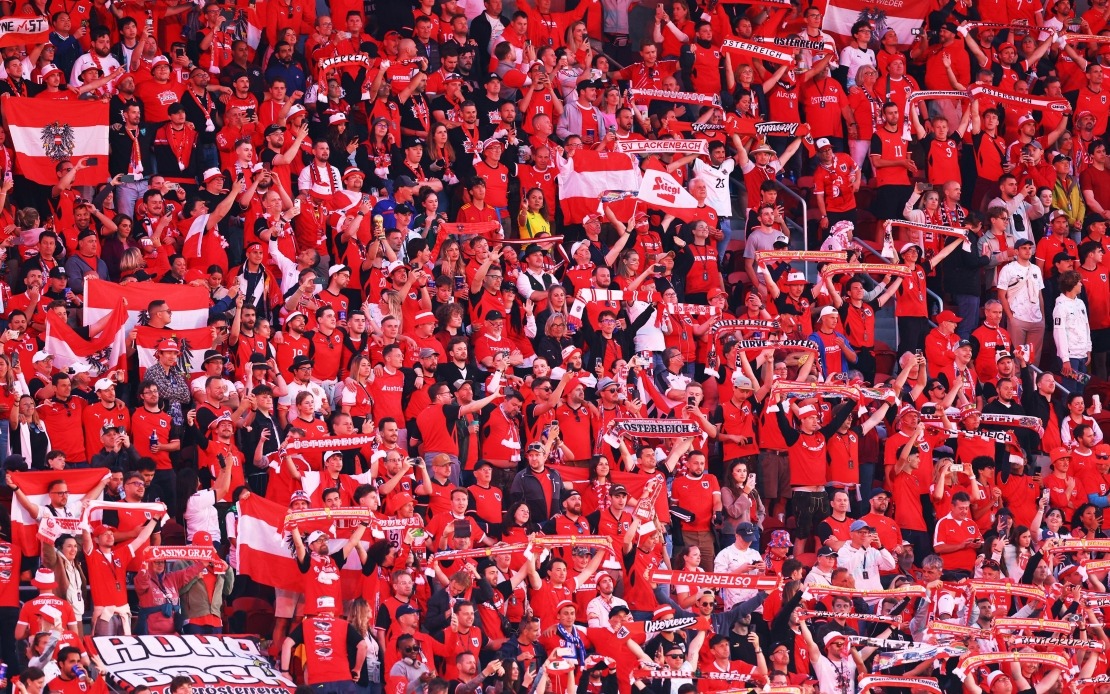
The FIFA World Cup in North America has drawn crowds exceeding expectations, with the governing body announcing that more than one million spectators attended the tournament's first 16 matches. According to FIFA's official data, attendance reached 1,028,429 fans through Monday's fixtures, representing a 99.34 per cent occupancy rate across participating venues. The milestone represents a significant turnaround from pre-tournament anxieties about whether pricing structures would deter international supporters from filling stadiums.
Initial apprehension about ticket affordability had appeared justified when several high-profile matches earlier in the competition featured visibly sparse sections of seating. The fixture between South Korea and the Czech Republic held in Guadalajara the previous Thursday, and Qatar's encounter with Switzerland in California's Bay Area on Saturday, both displayed patches of unoccupied seats that fuelled speculation the tournament might struggle to maintain momentum in the stands. These empty sections seemed to validate concerns raised by fan organisations and media analysts about whether the financial barrier to attendance would ultimately undermine the spectacle.
FIFA president Gianni Infantino responded to the milestone with public celebration, sharing an Instagram photograph with Aaron Bren, the fan identified as the one millionth attendee. The federation's message emphasised gratitude to supporters, framing the attendance figures as evidence of the tournament's inclusive character. Infantino's statement acknowledged that passionate fan engagement had been instrumental in bringing what he characterised as a transformative World Cup experience to life across the North American venues.
The strong attendance numbers mask emerging tensions around fan management and venue security that tournament organisers have not fully resolved. Football Supporters Europe, an influential advocacy group representing fan interests across the continent, has raised alarm about minimal fan segregation protocols at matches throughout the tournament. Ronan Evain, the organisation's executive director, expressed concern to BBC Sport that the tournament's approach to ticketing and crowd control deviates significantly from established best practices at comparable international competitions.
Evain highlighted a fundamental structural vulnerability created by FIFA's aggressive secondary ticketing policies. The federation's decision to encourage resale of tickets through digital platforms has created a situation where the governing body lacks comprehensive knowledge of which supporters ultimately occupy specific seating areas. This information asymmetry creates genuine risk, according to the Football Supporters Europe assessment, as supporters from competing nations may find themselves intermixed within general seating rather than properly segregated in dedicated sections.
The executive director's warnings extend beyond abstract security concerns. He emphasised that the absence of segregation represents a departure from tournament standards, with historical precedent suggesting that major championships typically implement strict separation protocols to manage potential confrontations between rival supporter groups. The fact that FIFA appears unable to track ticket purchasers through secondary markets compounds these vulnerabilities, as security personnel lack reliable data about crowd composition at any given moment.
FIFA has defended its approach by noting that countries' most committed supporters receive guaranteed allocation within dedicated participant member association sections. These ring-fenced areas ensure that official fan contingents from competing nations occupy predetermined zones, maintaining some structural separation. However, this arrangement addresses only organised supporter groups with official backing, leaving unaffiliated fans and casual spectators subject to unpredictable seating arrangements across general admission areas.
For Malaysian sports fans and observers, these debates carry particular resonance as Southeast Asia has increasingly emerged as a significant World Cup audience. The region's growing football passion means Malaysian viewers maintain keen interest in tournament logistics and fan experience. While Malaysia itself has not qualified for this particular World Cup, the competition's conduct and organisation directly influence how future tournaments in Asia might be structured and managed.
The tension between commercial ticket maximisation and operational safety represents a broader question about tournament priorities. FIFA's apparent prioritisation of attendance revenue through open resale mechanisms, combined with stadiums operating at near-maximum capacity, suggests the organisation has essentially achieved its commercial objectives. Whether this approach adequately balances revenue generation against legitimate security and fan experience considerations remains contested among stakeholders who manage supporter relations.
The early-round attendance success demonstrates that demand for World Cup football remains robust across North America, and that fans will attend matches despite elevated pricing. Whether this enthusiasm can be sustained across the tournament's later stages, when matches carry greater stakes and intensity, remains to be seen. The strong opening numbers provide FIFA with statistical validation for its ticketing strategy, even as operational concerns raised by supporter advocates continue to warrant attention from tournament security and management personnel throughout the remainder of the competition.