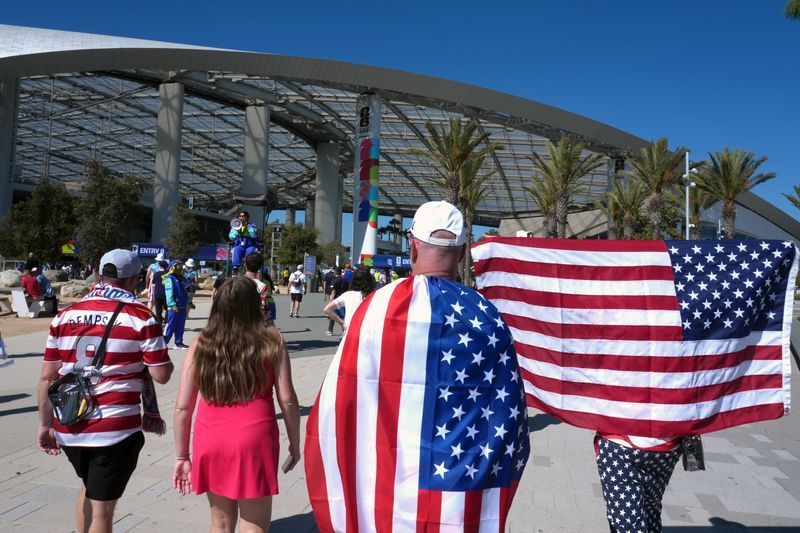
Families heading to World Cup 2026 matches found their excitement evaporating when StubHub notified them of ticket cancellations mere hours before games were due to start. Jeremy Wright purchased tickets to watch the Netherlands face Japan on June 14, envisioning a Christmas gift for his wife Sarah. The couple drove from Austin to Dallas only to receive an email five hours before kickoff stating their tickets could not be delivered. Although StubHub's "FanProtect Guarantee" promised replacement tickets at no additional cost, the platform offered only a refund when Wright attempted to claim his alternatives. After unsuccessful attempts to reach customer support, the Wrights drove back home in disappointing circumstances.
The Wright family represents just one of dozens of fans caught in StubHub's World Cup ticketing failures. Social media complaints surged throughout the month as purchasers discovered their promised replacements never materialised. Similarly, Dacy Gillespie from St Louis purchased four tickets to Argentina's match against Algeria as a surprise Christmas gift for her children. After driving 250 miles to Kansas City, she received notification on matchday that the seller could not provide the tickets. These high-profile cases illuminate a broader systemic problem affecting thousands of supporters who invested substantial sums and travel expenses based on confirmed ticket purchases.
The underlying culprit behind these failures is a practice known as speculative ticketing, according to Scott Friedman, a ticketing industry expert who previously worked with the Cleveland Cavaliers. Speculators list tickets at a price they hope to profit from later, purchasing them at lower rates before the tournament progresses. Friedman explains the mechanism bluntly: a seller might list a ticket for $500, intending to acquire it for less and pocket the difference. While such strategies typically succeed at sporting events where secondary market prices decline over time, World Cup 2026 defied this pattern. Ticket prices only climbed as the tournament approached, trapping speculators who could not afford to purchase seats without absorbing losses.
StubHub's policy explicitly prohibits speculative ticketing, yet the practice persists through what industry insiders call "ghost tickets." The platform does not require sellers to provide seat numbers when listing inventory, creating opportunities for speculators to offer tickets they do not yet control. Wright's purchase on September 6 demonstrates this problem starkly—he bought tickets four days before FIFA even launched its official sales draw, strongly suggesting a speculator listed them. His order confirmation showed only "Category 3" seating designation with no specific seat numbers provided, the hallmark of speculative listings that later cannot be fulfilled.
StubHub attributes ticket delivery failures to FIFA's ticketing infrastructure affecting all resale platforms. The platform argues it is not responsible for order cancellations stemming from seller delivery issues, emphasising that it neither possesses nor prices tickets. A StubHub spokesperson stated the company requires sellers to upload tickets or provide proof of purchase at listing, with financial penalties and suspension awaiting those who misrepresent inventory. However, these safeguards appear insufficient given the volume of failures affecting customers who believed their purchases were secure.
FIFA has staunchly defended its own ticketing system, rejecting suggestions that functional issues experienced by third-party platform users stem from FIFA's infrastructure problems. The governing body urged fans to use only its official resale platform, which FIFA claims operates reliably and guarantees proper ticket delivery. However, FIFA's official marketplace charges a substantial 30 percent commission on resale transactions, making tickets considerably more expensive than alternatives like StubHub. This pricing disparity directly motivated some customers to seek cheaper options on unauthorised resale platforms, despite FIFA's warnings.
Certain buyers found FIFA's official platform excessively complicated and unintuitive. Gillespie consciously avoided FIFA's marketplace specifically because she found the system convoluted and confusing. Her experience reflects a broader complaint from supporters frustrated by FIFA's complex processes. While FIFA argues its platform provides a "safe, transparent and secure environment," many fans clearly prefer the user-friendly interface of established resale companies, even when doing so sacrifices the official guarantees FIFA offers.
Public pressure ultimately forced StubHub to respond more generously to affected high-profile customers. The company offered the Wrights complimentary seats to a semi-final match, acknowledging their travel expenses and emotional investment. Gillespie received $3,000 to partially offset the cost of purchasing replacement tickets from other sources. Both families acknowledged receiving assistance only because their social media complaints went viral, raising uncomfortable questions about StubHub's accountability mechanisms. Sarah Wright expressed a sense of "survivor's guilt," recognising that her family benefitted from media attention while thousands of other affected customers remained uncompensated.
StubHub has since established a dedicated World Cup support team and expanded its capacity to source replacement tickets, claiming that "getting fans to their matches remains our top priority for the rest of this tournament." These reactive measures, however, do little to address the structural vulnerabilities that permitted the crisis in the first place. For StubHub, the reputational damage could prove substantial and long-lasting. The company's brand relies on customer trust and reliability; these failures have fundamentally undermined both, particularly among World Cup supporters who entrusted the platform with expensive purchases.
The timing of StubHub's troubles compounds the damage to its reputation. The UK's markets watchdog this week ordered StubHub UK to refund over 50,000 customers and pay a £900,000 fine for failing to display total ticket prices transparently to purchasers. This regulatory action, coinciding with World Cup ticketing failures, presents a damaging narrative of systemic failures across StubHub's operations. According to Marsha-Gaye Knight, a clinical assistant professor at NYU Tisch Institute for Global Sport, these World Cup issues could inflict major long-term harm to StubHub's brand reputation in the fiercely competitive secondary ticketing market.
The World Cup ticketing crisis exposes dangerous vulnerabilities in how secondary resale platforms operate during major sporting events. Unlike official channels operated by event organisers, third-party resale sites depend entirely on seller compliance and honesty. When financial incentives favour speculation and enforcement mechanisms prove inadequate, the customer ultimately suffers. Soccer fans and their families invested not only money but emotional labour and travel resources based on ticket confirmations that proved worthless. The platforms profited from transactions while bearing minimal consequences for failures to deliver.
For Malaysian and Southeast Asian soccer enthusiasts potentially considering StubHub for future major tournaments, this cautionary tale warrants serious consideration. The platform's failure to prevent speculative ticketing or adequately communicate delivery risks represents a critical service failure. While official FIFA channels charge premium fees, they at least guarantee delivery through direct control over inventory. Regional buyers must weigh convenience and cost savings against the genuine risk of last-minute cancellations that leave them stranded far from home with non-refundable expenses.
Moving forward, StubHub faces pressure to fundamentally restructure how it permits sellers to list inventory. Requiring proof of ticket possession before listing, implementing stricter verification of seat numbers, and establishing clearer customer communication about delivery risks represent essential reforms. Without substantial systemic changes, subsequent major sporting events will likely see similar failures. The broader lesson extends to all secondary ticketing platforms: customer protection and platform integrity must supersede short-term transaction volume. For fans worldwide, the World Cup 2026 ticketing debacle serves as a stark reminder that not all confirmed digital purchases guarantee actual delivery, particularly in the unregulated secondary market.

