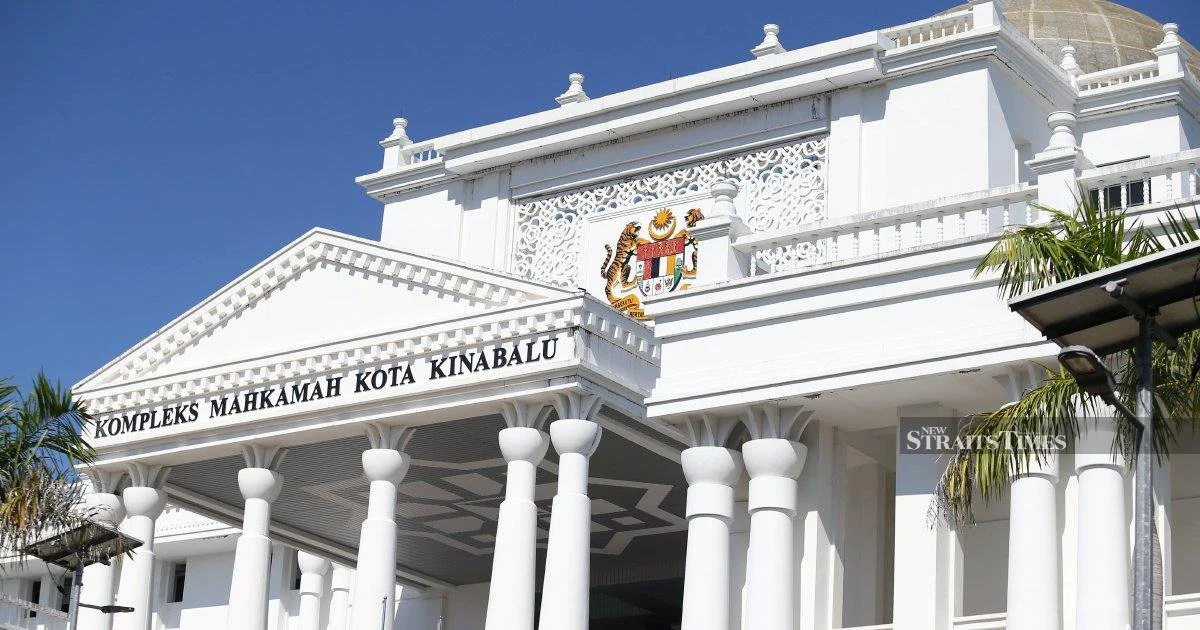
In a development that highlights the complexities and limitations of forensic evidence analysis, the 74th witness called in the ongoing inquest into the death of Zara Qairina Mahathir has indicated she cannot challenge the conclusions reached by another document examination expert who gave evidence earlier in the proceeding. The testimony was delivered during the high-profile inquiry being conducted in Kota Kinabalu, where a methodical examination of evidence surrounding the teenager's death continues to unfold.
The witness in question is herself a qualified document examination expert, yet her testimony suggests that the findings presented by her counterpart—another specialist in the same forensic discipline—remain standing without contradiction from her perspective. This dynamic raises important questions about the nature of expert disagreement in forensic analysis and the circumstances under which professionals in overlapping fields may or may not feel equipped to dispute one another's conclusions. Such situations are not uncommon in complex inquiries where multiple specialists examine the same materials and reach different interpretations.
Document examination represents a critical component of forensic investigation, involving the detailed analysis of signatures, handwriting, alterations, and the authenticity of written materials. The field requires considerable expertise and experience, and different examiners may employ varying methodologies or place different weight on specific observations when reaching their conclusions. However, when one expert declines to contradict another's findings—even from within the same profession—it can carry significant implications for how the evidence is subsequently weighed and interpreted by the court.
The inquest into Zara Qairina Mahathir's death has drawn considerable public attention in Malaysia, not least because of her high-profile family background. The death of the young teenager, which occurred in 2014, prompted extensive investigation and legal proceedings aimed at establishing the circumstances and causes. Over the course of the inquest, numerous witnesses have been called to provide testimony, with the current witness representing the 74th to take the stand, demonstrating the thoroughness of the inquiry.
The progression of witness testimony in a case of this magnitude typically follows a carefully structured approach, with experts from various disciplines presenting their findings and analyses to establish a comprehensive factual foundation. Document examiners are frequently among the specialists called, particularly when questions arise regarding the authenticity, provenance, or alteration of written or printed materials that may have evidentiary significance. Their findings can sometimes become pivotal to understanding the sequence of events or establishing responsibility.
In Malaysian legal proceedings, inquest inquiries serve a distinct and important function, designed to establish the facts surrounding deaths that occur under circumstances requiring official investigation. Unlike criminal trials, inquests do not determine guilt or criminal liability, but rather aim to identify the cause of death and the circumstances in which it occurred. This distinction is significant for understanding the purpose and scope of the evidence presented, including testimony from forensic specialists and other expert witnesses.
The inability or unwillingness of the 74th witness to contradict her colleague's findings does not necessarily mean those findings are unchallenged or accepted without reservation. Rather, it may reflect the practical reality that two experts examining the same evidence may reach different conclusions without either being demonstrably wrong, or that the witness felt unable to meaningfully dispute a colleague's professional judgment based on the same materials. Such situations underscore the sometimes subjective nature of certain types of forensic analysis, even when conducted by qualified professionals employing rigorous methodologies.
For Malaysian readers following this case, the dynamics of expert testimony in inquests illustrate how the legal system attempts to establish truth through rigorous examination of evidence and expert opinion. The fact that multiple specialists may view the same materials differently highlights why courts must carefully evaluate and weigh expert evidence, rather than accepting it uncritically. The inquest process, for all its length and complexity, serves to create a comprehensive record that ultimately enables judicial determination of the facts.
The testimony of the 74th witness also reflects broader patterns evident in complex forensic investigations across jurisdictions. When expertise is specialized and subjective elements play a role in analysis, consensus among experts cannot always be achieved or expected. The role of the court becomes one of evaluating competing expert opinions and determining which carries greater weight based on methodology, credentials, reasoning, and the totality of the evidence presented. As the Zara Qairina Mahathir inquest continues its examination of witness testimony, each contribution—whether contradicting or corroborating earlier evidence—forms part of the factual foundation the court will ultimately rely upon.

