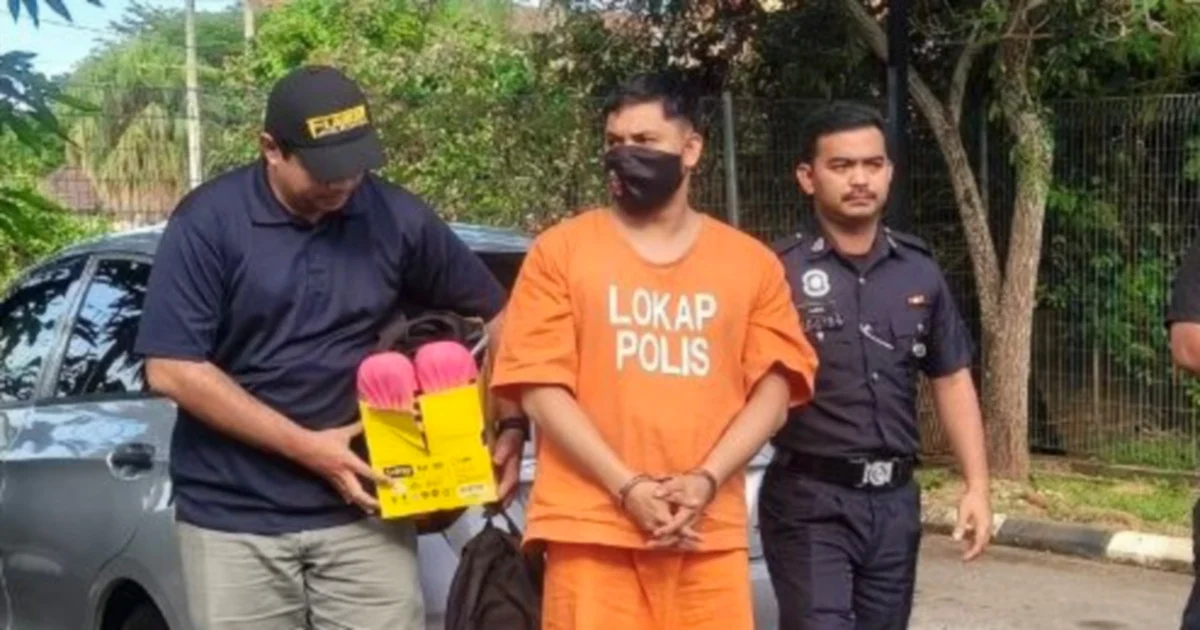
A former information technology professional in Besut has been ordered to pay RM18,000 after pleading guilty to three counts of fraudulently using other individuals' identity cards. The Besut magistrate's court handed down the penalty following the defendant's admission to the charges, with a custodial alternative of 18 months' imprisonment should the fine remain unpaid.
The case shines a light on persistent vulnerabilities within Malaysia's subsidy distribution framework, particularly the Budi95 program that provides financial assistance to qualifying beneficiaries. The scheme, designed to support eligible citizens, has repeatedly fallen victim to organized misuse involving identity document fraud. The defendant's background in information technology made him particularly positioned to exploit administrative gaps in the system's verification processes, raising concerns about how technical expertise can be weaponized against government assistance mechanisms.
Identity card fraud remains one of the most straightforward yet effective methods through which individuals gain unauthorized access to public benefits. In this instance, the perpetrator leveraged his technical acumen to circumvent standard safeguards that should have prevented multiple applications under false identities. Such breaches undermine the integrity of social welfare initiatives and divert limited government resources away from genuine beneficiaries who genuinely require assistance.
The Budi95 initiative forms part of Malaysia's broader commitment to providing targeted financial relief to vulnerable populations. When fraudsters exploit such schemes through identity misuse, the actual impact extends beyond financial loss. It erodes public confidence in government institutions and creates justification for increased bureaucratic oversight that can slow legitimate benefit applications. The fraud also creates negative spillover effects on honest applicants who may face enhanced scrutiny or delays due to heightened security measures implemented in response to such incidents.
Malaysia has witnessed numerous cases involving identity card misuse in recent years, reflecting a worrying trend in organized subsidy fraud. Perpetrators have evolved their tactics beyond simple forgery to include sophisticated approaches that exploit digital vulnerabilities in registration systems. The involvement of a former IT professional suggests collusion or at least leveraging of insider knowledge regarding system weaknesses. Such cases demonstrate that combating subsidy fraud requires not just legal consequences but also substantial investment in cybersecurity and identity verification infrastructure.
The three counts to which the defendant admitted suggest a systematic pattern rather than isolated wrongdoing. Each fraudulent application likely generated financial disbursements, making the total loss to the government potentially substantial. The magistrate's decision to impose both a substantial fine and a lengthy alternative custodial sentence reflects the seriousness with which Malaysian courts now treat subsidy-related fraud, signaling that such offences will not be treated as minor administrative violations.
From a deterrence perspective, the penalty sends a critical message to potential fraudsters that identity card misuse carries real consequences, particularly when directed toward government assistance programs. However, deterrence alone proves insufficient without complementary improvements in system architecture. Malaysian authorities have increasingly recognized that technological solutions such as biometric verification and blockchain-based benefit tracking can substantially reduce the opportunities for such fraud. Investment in these areas would address the root problem rather than relying entirely on post-incident prosecution.
The case also highlights the need for cross-agency coordination in monitoring subsidy disbursements. Multiple government departments operate assistance programs, yet information-sharing between these agencies remains suboptimal in many instances. A person flagged for identity fraud in one program may still successfully apply for benefits under another department's jurisdiction if systems remain siloed. Establishing centralized databases accessible to relevant authorities would create a comprehensive view of fraudulent actors and prevent their serial exploitation of different programs.
For Malaysian citizens legitimately applying for Budi95 assistance, such high-profile convictions create a mixed message. While they confirm that fraudsters face prosecution, they may also generate concerns about whether innocent applicants might face suspicion or delays due to enhanced verification procedures. Authorities must balance rigorous fraud prevention with maintaining accessibility for genuine beneficiaries, a tension that requires careful policy calibration.
The implications extend across Southeast Asia, where similar subsidy schemes operate in neighboring countries. Identity fraud in assistance programs represents a regional challenge, and Malaysia's judicial approach to such cases potentially influences how peer nations structure their enforcement responses. As digital payment systems and e-governance become more prevalent throughout ASEAN, the sophistication of fraud attempts will likely increase, making preventive infrastructure investment increasingly urgent.
Moving forward, prosecuting individual fraudsters, while necessary, must be accompanied by systemic reforms. Enhanced background checks for government IT personnel, regular security audits, mandatory disclosure requirements for individuals with previous fraud convictions applying for benefit programs, and real-time cross-verification between departments would collectively create a more robust defense against such schemes. The Besut case serves as a reminder that subsidy programs remain attractive targets for fraud, requiring constant vigilance and continual evolution of protective mechanisms.

