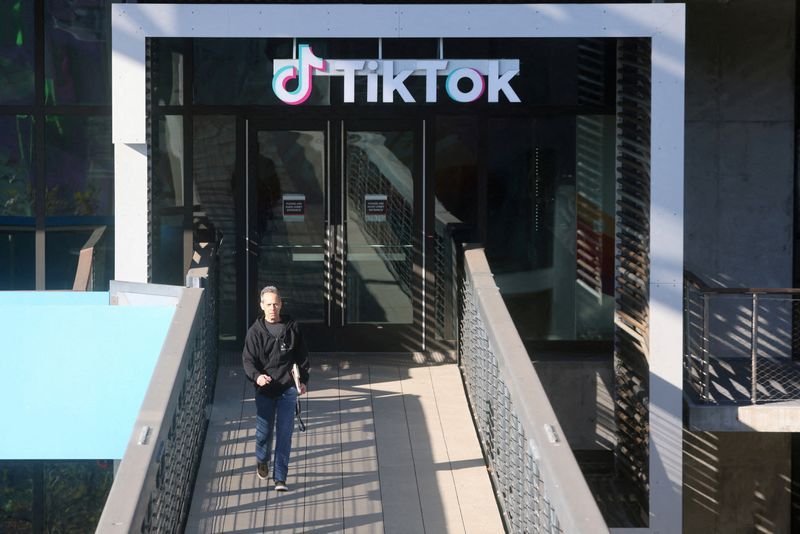
Florida's attorney general James Uthmeier has initiated legal proceedings against TikTok, claiming the platform breaches a state statute designed to shield young users from online harms. The complaint, filed in St. Lucie County circuit court, represents the latest enforcement action by Florida authorities against major social media operators and underscores mounting regulatory scrutiny across the United States.
Uthmeier, a Republican, asserts that TikTok operates in direct contravention of Florida law by permitting users below the age of 14 to establish accounts on its service. Beyond mere account access, the attorney general contends that the platform has systematically misled parents about the prevalence and nature of violent and sexually explicit material to which younger users may be exposed during their time on the application. The state's position reflects growing concern that social media companies have failed to implement adequate safeguards despite mounting evidence of potential harm to developing minds.
The lawsuit demands more than a simple acknowledgement of wrongdoing. Florida seeks a judicial order compelling TikTok, which is owned by Chinese technology conglomerate ByteDance, to implement structural changes ensuring compliance with state requirements. Additionally, the state is pursuing financial damages as compensation for alleged violations and their consequences for Florida's residents. Such monetary claims are intended to create meaningful financial incentives for future compliance across the industry.
TikTok's response has emphasised cooperative engagement with state authorities. A company representative stated that the platform has been actively communicating with the attorney general's office and has begun suspending accounts belonging to Florida users under the age of 14. The statement also highlights ongoing modifications to the platform specifically designed to align with Florida's regulatory framework, suggesting the company recognises the enforceability of the state's requirements and is taking steps to accommodate them.
The legislation underlying this lawsuit, designated as H.B. 3, represents a significant intervention in how social media platforms operate within the state. The law imposes a blanket prohibition on account creation for users under 14 and mandates parental consent for users aged 14 to 15. These provisions took effect in January 2025, providing the legal foundation for Florida's enforcement action. The regulatory framework attempts to balance access to digital platforms with protection of minors from content deemed inappropriate for their developmental stage.
Florida is not acting in isolation. More than 25 state attorneys general across the United States have filed separate legal actions against TikTok, predominantly citing consumer protection statutes. These cases typically focus on allegations that the platform's design deliberately maximises user engagement through addictive mechanisms, thereby contributing to documented mental health deterioration among adolescents and young adults. The breadth of this litigation indicates a coordinated national response to perceived failures in industry self-regulation.
For Malaysian and Southeast Asian readers, this American regulatory approach offers instructive parallels. Several nations in the region have contemplated or implemented comparable restrictions on social media access for minors, reflecting similar concerns about screen dependency, mental health impacts, and exposure to inappropriate content. The outcomes of cases like Florida's will likely influence how governments across Asia approach regulation of digital platforms and may inform national policy discussions about protecting young users from online harms.
The broader landscape of litigation against social media companies reveals the scale of concern. TikTok, Meta Platforms (which owns Facebook and Instagram), and other major operators face thousands of lawsuits initiated by individuals, families, and school districts. These cases challenge the companies' contention that they implement extensive protective measures. A significant development occurred in Los Angeles, where a jury found Meta and Alphabet's Google negligent in a case brought by a young woman alleging that platform addiction exacerbated her depression and anxiety. TikTok settled that case before trial, as it did with another action brought by a Kentucky school district, which resulted in an $8 million payment from the platform.
Florida has pursued an aggressive enforcement agenda against multiple platforms. Earlier in 2025, the state sued Snap Inc., operator of Snapchat, characterising its conduct as "particularly egregious" due to marketing the application as appropriate for 13-year-olds while failing to prevent access to pornographic material and drug-related transactions. Snap has challenged the constitutionality of H.B. 3 under the First Amendment, arguing the law restricts minors' communication rights. Though a federal judge initially blocked the law's enforcement on constitutional grounds, that ruling was temporarily suspended, permitting Florida to enforce the statute while pursuing an appeal.
This constitutional dimension adds complexity to the regulatory environment. If courts ultimately invalidate H.B. 3 on free speech grounds, it would significantly constrain state authority to regulate minor access to digital platforms. However, Florida's decision to contest the ruling suggests confidence in the law's ultimate survival through the appellate process. The outcome will reverberate beyond Florida, potentially determining whether states can impose age-based restrictions on social media platforms across the country.
TikTok's mounting legal exposure reflects broader industry dynamics. The platform's rapid growth and influence among younger demographics have made it a focal point for concerns about technology's impact on child development. Regulators and plaintiffs' attorneys perceive TikTok's algorithm and engagement mechanisms as particularly potent in capturing and retaining user attention, intensifying concern about addictive design. The company's Chinese ownership adds a geopolitical dimension to the regulatory scrutiny, though this Florida case focuses narrowly on domestic child protection law.
For social media platforms operating globally, including across Southeast Asia, the Florida litigation and similar enforcement actions signal that regulatory tolerance for self-policing has diminished substantially. Governments worldwide are increasingly willing to impose statutory restrictions and pursue judicial remedies against companies that fail to meet evolving child protection standards. Companies must now navigate divergent regulatory requirements across multiple jurisdictions while defending their business models in court, a reality that will shape their operational and compliance strategies for years to come.