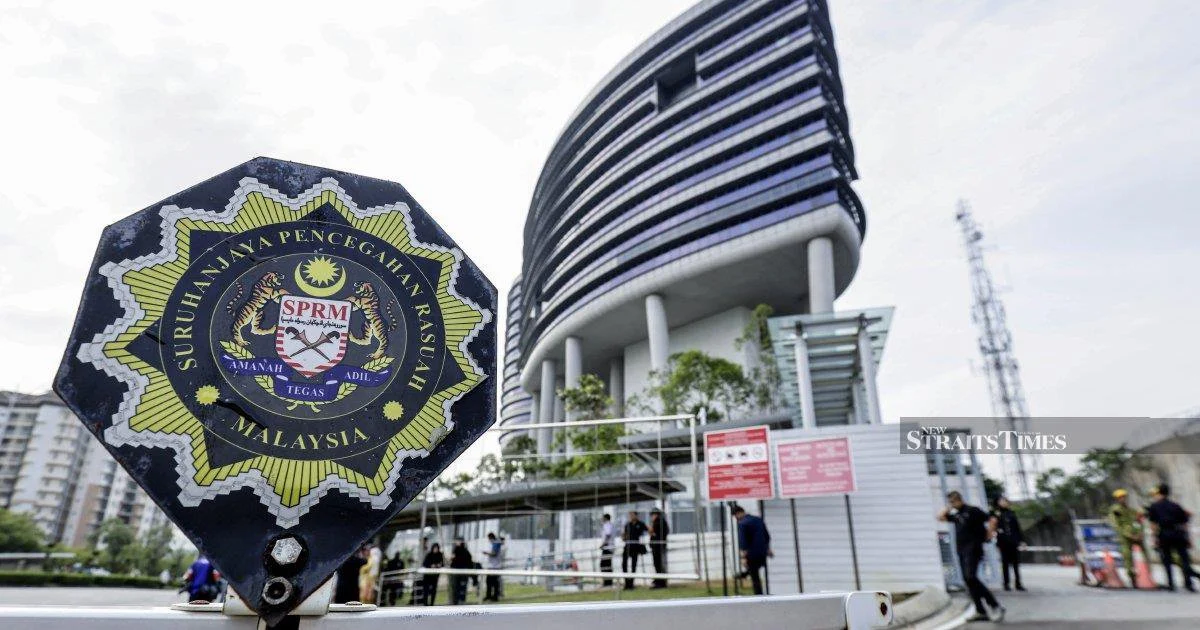
The Malaysian Anti-Corruption Commission has moved forward with a major enforcement case by preparing to file 158 charges against a single individual accused of misappropriating government money as part of Operation Sutra. The accused is scheduled to appear before the Shah Alam Sessions Court, signalling the culmination of what appears to be an extensive investigation into systematic financial impropriety.
Operation Sutra represents one of the MACC's significant undertakings in recent times, reflecting the agency's commitment to addressing large-scale corruption within the public sector. The sheer volume of charges—158 counts—indicates that investigators uncovered patterns of wrongdoing spanning multiple transactions or incidents rather than an isolated breach. Such comprehensive charging is relatively uncommon in Malaysian graft cases and suggests meticulous documentation of evidence that prosecutors believe will withstand judicial scrutiny.
Public fund misappropriation remains one of the most damaging forms of corruption in developing and middle-income nations, as it diverts resources from essential services such as healthcare, education, and infrastructure. When individuals exploit their positions of trust to redirect government money for personal or undisclosed purposes, the ripple effects extend far beyond individual enrichment. Communities lose access to planned programmes, developmental projects stall, and public confidence in institutions deteriorates. The MACC's pursuit of this case underscores how seriously Malaysia's corruption watchdog views such systematic breaches.
The decision to prosecute through Shah Alam Sessions Court places the case within Malaysia's standard court hierarchy for criminal offences. Sessions courts handle both moderately serious and complex cases, and the assignment of 158 related charges to this venue indicates that prosecutors are treating this as a substantial but not capital-level matter. The courtroom proceedings will likely involve detailed testimony regarding financial records, transaction trails, and authorisation procedures that the accused allegedly violated.
For Malaysian readers and the broader Southeast Asian context, this case carries broader implications about institutional accountability. The region has faced persistent criticism from international transparency watchdogs regarding corruption control, with several countries struggling to demonstrate consistent enforcement. Malaysia's visible pursuit of high-charge-count cases like this one signals to both domestic audiences and international observers that the legal system remains engaged in pursuing those who betray public trust. However, the true test of effectiveness lies not merely in filing charges but in securing convictions that withstand appellate scrutiny.
The scale of charges also raises questions about internal oversight mechanisms within whatever public institution or department the accused worked for. Misappropriating funds across 158 separate instances typically requires some degree of negligence or complicity from supervisory structures. Whether external audits, internal controls, or approval mechanisms failed to detect the alleged misconduct will likely emerge during trial and could prompt institutional reforms to prevent similar breaches.
Public funds in Malaysia come from taxpayers across all income levels and sectors of society. When such funds are diverted through corruption, it effectively represents theft from citizens who contributed to the national coffers in good faith. This reality makes corruption cases particularly sensitive in the Malaysian political and social context, where public frustration over governance has periodically influenced electoral outcomes. The MACC's visible action demonstrates responsiveness to community concerns about official malfeasance.
The prosecution of this individual case also reflects the broader anti-corruption architecture that Malaysia has constructed since establishing the MACC in 2009. Unlike previous institutional arrangements, the MACC operates with enhanced investigative powers and a mandate to pursue cases across federal and state boundaries. This structural independence, while sometimes controversial, has enabled investigations that might have faced political obstruction under earlier arrangements. The Op Sutra case demonstrates the commission applying these investigative capabilities to compile substantial evidentiary foundations for prosecution.
Looking ahead, observers will monitor how the court proceedings unfold and what patterns the evidence reveals about how the alleged misappropriation occurred. Did the accused exploit weak approval processes? Were there inadequate segregation of duties among those authorising expenditures? Did auditing failures contribute to the breach going undetected for an extended period? Answers to these questions will inform both public understanding and potential policy corrections aimed at hardening financial controls across government entities.
The case also occurs within a regional context where corruption remains a significant economic drag. Financial institutions and investors monitor how Asian nations enforce anti-corruption frameworks, as institutional integrity directly affects investment risk assessments and business confidence. Malaysia's visible prosecution record, when coupled with final convictions, contributes to a national reputation for taking governance seriously—a consideration that extends beyond symbolic importance into tangible economic consequences.
As the accused appears before Shah Alam Sessions Court, the substantive legal process of testing evidence and examining witness testimony begins. The outcome of this case will contribute to the body of Malaysian jurisprudence regarding corruption standards, acceptable conduct by public officials, and the consequences for breaching the public trust. Whatever the eventual judgment, the case represents a significant moment in Malaysia's ongoing effort to build institutional accountability and demonstrate that those who misuse government resources will face serious legal consequences.

%22%2F%3E%3C%2Fpattern%3E%3C%2Fdefs%3E%3Crect%20width%3D%22100%25%22%20height%3D%22100%25%22%20fill%3D%22url(%23ph8sf2g)%22%2F%3E%3Crect%20width%3D%22100%25%22%20height%3D%22100%25%22%20fill%3D%22url(%23ph8sf2p)%22%2F%3E%3Ctext%20x%3D%2250%25%22%20y%3D%2250%25%22%20text-anchor%3D%22middle%22%20dominant-baseline%3D%22central%22%20fill%3D%22rgba(255%2C255%2C255%2C0.95)%22%20font-family%3D%22Georgia%2C%20'Times%20New%20Roman'%2C%20serif%22%20font-weight%3D%22700%22%20font-size%3D%22272%22%20letter-spacing%3D%22-0.02em%22%3EAnwar%3C%2Ftext%3E%3C%2Fsvg%3E)