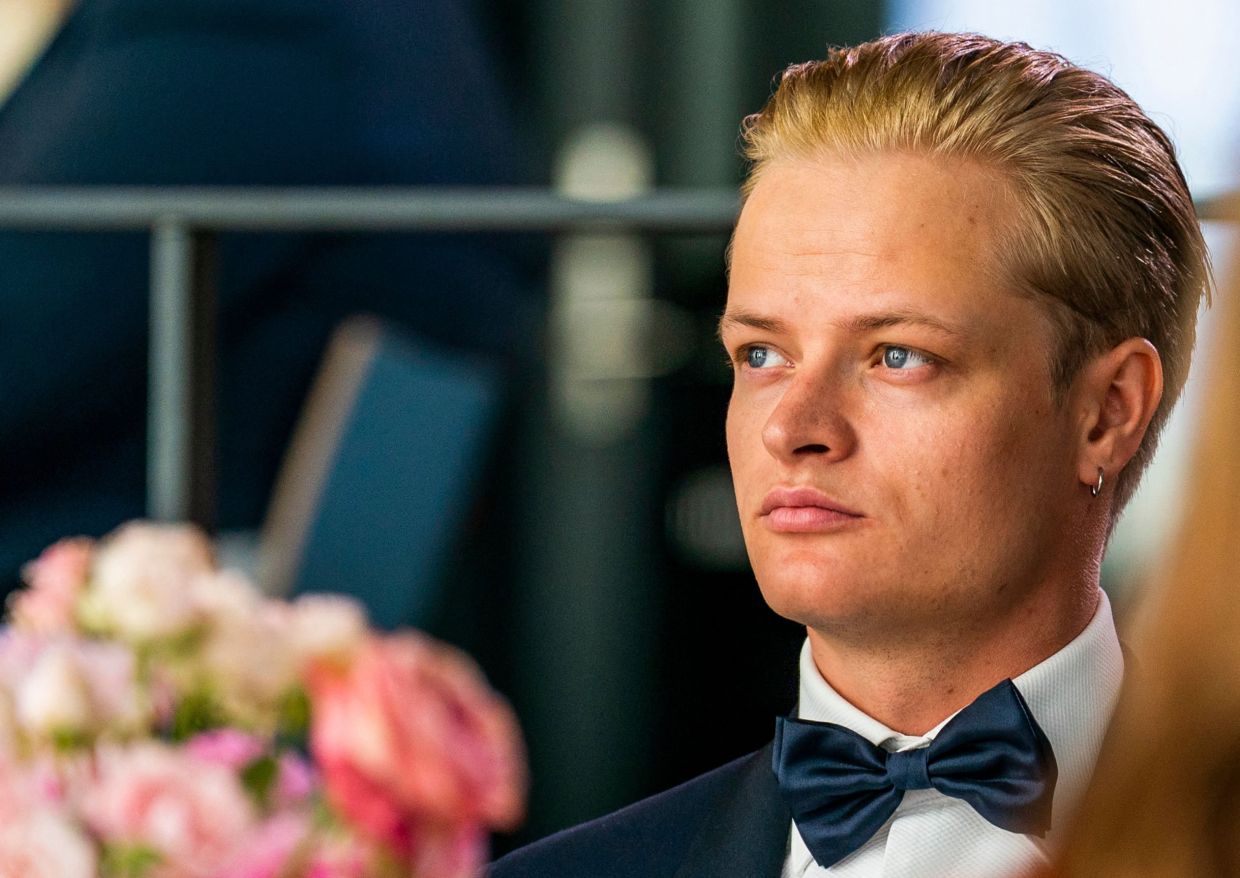
Marius Borg Høiby, the eldest son of Norway's Crown Princess Mette-Marit, faces four years behind bars following his conviction on serious sexual assault charges. The Oslo District Court delivered its verdict on Monday, marking the conclusion of a high-profile case that has captivated international media attention due to his proximity to Scandinavia's most prominent royal household.
The 29-year-old was found guilty on two of four rape charges brought against him, with courts dismissing the remaining allegations. Beyond the sexual offences, he received additional convictions for assault and abuse within intimate relationships. The sentencing package also includes a requirement that he pay financial compensation to his victims, cementing the court's recognition of harm caused to multiple parties.
The charges stemmed from alleged sexual assaults perpetrated against four women between 2018 and 2024, with prosecutors alleging that the victims were either asleep or otherwise incapacitated during the incidents. The breadth of the prosecution's case extended well beyond the rape allegations, encompassing a total of 40 criminal charges that included drug-related offences, assault, and violations of court-imposed restraining orders.
During trial proceedings, the defendant's legal team adopted a bifurcated strategy: maintaining his innocence regarding the rape allegations whilst simultaneously acknowledging responsibility for lesser charges. This approach reflected the complexity of the evidence presented across the six-week trial, which concluded in March after extensive testimony from accusers and examination of digital materials recovered from Høiby's mobile telephone, including messages, photographs and video recordings.
The sentencing outcome represents a compromise between the prosecution's position and the defence strategy. Prosecutors had requested a substantially longer term of seven years and seven months, while the defence had sought complete acquittal on rape charges and a maximum 18-month sentence for offences their client would concede. The court's decision landing between these poles suggests judicial recognition of guilt on the most serious counts whilst acknowledging mitigating circumstances.
Høiby did not physically appear for Monday's verdict, instead observing proceedings via video link from his place of detention. Officials attributed his absence to health concerns, an arrangement that underscores his ongoing incarceration whilst awaiting formal sentencing execution. The verdict remains subject to appeal, meaning legal proceedings could extend further through Norway's appellate system, particularly given the case's prominence and the defendant's family circumstances.
The intensity of international coverage reflects not only the salacious nature of the allegations but fundamentally the defendant's unique position within the Norwegian royal structure. Although Høiby holds no official title and performs no ceremonial functions, he remains the biological son of the heir's spouse and was raised within the royal household alongside Crown Prince Haakon and their children, affording him an intimate connection to the kingdom's constitutional order despite his lack of formal status.
The trial's prominence has been substantially amplified by concurrent developments affecting his mother's health. Crown Princess Mette-Marit, who suffers from pulmonary fibrosis and currently awaits a lung transplant, has required medical intervention during the proceedings. This deterioration generated legal disputes over whether Høiby should receive temporary release pending verdict, with multiple appeal courts declining to grant such relief and mandating his continued detention throughout the trial process.
Beyond the immediate criminal proceedings, the case has intersected with broader scrutiny of the Norwegian royal family's historical relationships and associations. Recent revelations regarding Mette-Marit's previous contact with Jeffrey Epstein, the American financier and convicted sex offender, provoked significant controversy. The Crown Princess publicly acknowledged poor judgment in maintaining these associations and formally apologised, though she faces no allegations of criminal conduct or wrongdoing.
For Malaysian and Southeast Asian observers, this case illustrates how even European monarchies—traditionally viewed as institutions transcending ordinary legal processes—face rigorous judicial accountability when family members commit serious crimes. Unlike systems where royal connections might shield individuals from prosecution, the Norwegian legal framework demonstrated independence in investigating, prosecuting and convicting a person with royal family ties, reflecting the broader Scandinavian commitment to legal egalitarianism regardless of social status or family position.
The verdict's finality remains uncertain pending appeal procedures that could extend across months. Yet regardless of appellate outcomes, the conviction itself has fundamentally altered the family's public standing and raised questions about royal duty, family responsibility, and the appropriate boundaries between private conduct and public representation. The case underscores tensions inherent in maintaining modern constitutional monarchy whilst ensuring that rule of law genuinely applies universally, not selectively based on birth or household connection.
%22%2F%3E%3C%2Fpattern%3E%3C%2Fdefs%3E%3Crect%20width%3D%22100%25%22%20height%3D%22100%25%22%20fill%3D%22url(%23ph45zfhg)%22%2F%3E%3Crect%20width%3D%22100%25%22%20height%3D%22100%25%22%20fill%3D%22url(%23ph45zfhp)%22%2F%3E%3Ctext%20x%3D%2250%25%22%20y%3D%2250%25%22%20text-anchor%3D%22middle%22%20dominant-baseline%3D%22central%22%20fill%3D%22rgba(255%2C255%2C255%2C0.95)%22%20font-family%3D%22Georgia%2C%20'Times%20New%20Roman'%2C%20serif%22%20font-weight%3D%22700%22%20font-size%3D%22170%22%20letter-spacing%3D%22-0.02em%22%3EMalaysia%3C%2Ftext%3E%3C%2Fsvg%3E)