The prospect of Muhammad Sanusi Md Nor delivering a comprehensive electoral triumph across Kedah in upcoming polling remains a distant prospect, according to two opposition lawmakers who reject narratives of an unstoppable political wave supporting the Perikatan Nasional-aligned government. Speaking independently, a PKR representative and a DAP legislator have dismissed what they characterise as overconfident projections, each pointing to distinct reasons why such a dominant outcome appears improbable in the northern state.
Bau Wong Bau Ek, a PKR parliamentarian, contends that electoral outcomes ultimately hinge on tangible governance outcomes rather than abstract political sentiment. His argument represents a conventional opposition perspective: that regardless of organisational strength or perceived momentum, voters evaluate leadership primarily through concrete delivery on bread-and-butter concerns. This framing invites scrutiny of the Menteri Besar's administration's record on healthcare provision, educational infrastructure, economic development, and routine service delivery across Kedah's districts. The PKR stance essentially posits that enthusiasm among party cadres or even favourable media coverage cannot substitute for demonstrable improvements in citizens' daily lives.
Meanwhile, DAP's Teh Swee Leong takes a different analytical approach, challenging the fundamental premise that a powerful groundswell of support for PAS and Perikatan Nasional actually exists. His assertion that the so-called "wave" supporting the ruling coalition lacks the strength commonly attributed to it suggests scepticism about whether visible party activities and leadership pronouncements accurately reflect genuine public sentiment. This observation gains particular relevance in Malaysian politics, where coalition narratives frequently overstate electoral durability. Teh's perspective implies that what appears as overwhelming support in certain quarters may not translate into proportional ballot-box outcomes, particularly in communities where swing voters remain genuinely undecided.
The debate over Sanusi's electoral prospects carries significance beyond Kedah itself. As a state governed by PAS and aligned with Perikatan Nasional rather than the ruling Pakatan Harapan federal coalition, Kedah represents contested political territory where competing narratives about governance, economic management, and Islamic affairs intersect. The state has long occupied an important position in Malaysia's political geography, with its electoral performance influencing broader perceptions of momentum heading into hypothetical national contests.
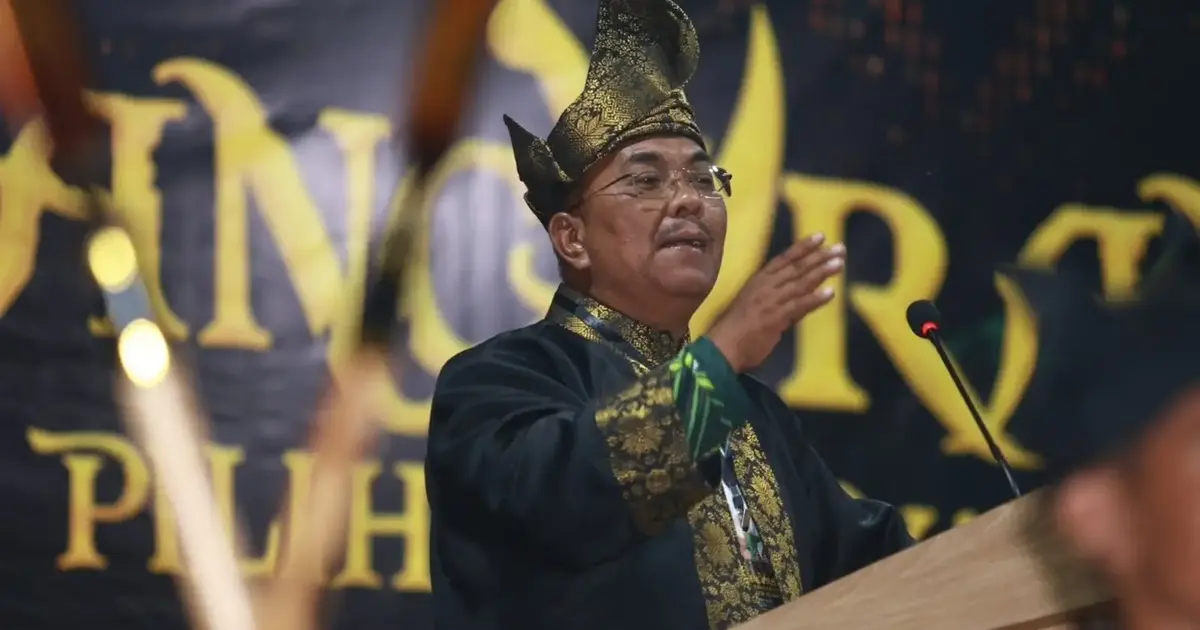
Sanusi himself, as Menteri Besar, commands substantial administrative resources and the inherent advantages of incumbency. His government's ability to allocate resources, craft visible development projects, and shape official narratives provides structural advantages that opposition parties must overcome through superior organisation and messaging. Yet incumbency cuts both ways in Malaysian elections—while it confers advantages, it also exposes administrators to scrutiny of their actual record, creating vulnerabilities if performance lags behind promises or public expectations.
The broader political context reveals PAS as increasingly dominant within Kedah's political establishment following the 2022 general election realignment. The Islamic party's consolidation of state-level power reflects broader shifts in Malaysian politics where religious-conservative framing has gained traction, particularly in northern states. However, this dominance at the state level does not necessarily guarantee electoral sweep outcomes, especially if opposition coalitions can effectively highlight specific governance shortcomings or mobilise communities dissatisfied with particular policies.
Pakatan Harapan's position in Kedah remains complicated. The coalition, which held state power during the 2018-2020 period under Mukhriz Mahathir, suffered significant losses in 2022. PKR and DAP now operate from opposition status, requiring them to rebuild credibility and organisational presence across constituencies. Their ability to challenge Sanusi's government depends significantly on whether they can translate critiques of PAS-PN governance into effective campaigning and candidate recruitment. The fact that opposition figures are already publicly contesting electoral outcome assumptions suggests ongoing efforts to frame political narratives favourably.
The question of electoral "waves" and momentum in Malaysian politics frequently exceeds analysis of actual voter preference data. Public opinion research, voting patterns in by-elections, and grassroots feedback often diverge substantially from the narratives constructed by political operatives and amplified through media coverage. Sanusi's team may genuinely perceive overwhelming public support, while opposition representatives see evidence of voter scepticism or fatigue. Both perspectives can coexist if different social circles and geographic areas reveal divergent sentiment patterns.
Localised governance issues likely matter considerably in determining electoral outcomes across Kedah's constituencies. Voters in Kota Setar may prioritise different concerns than residents in Sungai Petani or rural areas. A blanket clean sweep would require Sanusi's administration to simultaneously satisfy remarkably diverse constituency interests—an extraordinarily demanding task in any context. Opposition representatives banking on localised grievances, whether regarding economic opportunities, infrastructure gaps, or religious policy controversies, may find sufficient electoral openings to prevent total dominance.
The coming months will prove instructive regarding whose assessment of Kedah's political mood proves more accurate. Sanusi and his administration will continue governing while preparing for elections, simultaneously implementing policies and campaigning for renewal. Opposition figures will incrementally build their counter-narrative, attempting to identify governance gaps and mobilise voter dissatisfaction. Only actual electoral results can definitively resolve the current disagreement between PH lawmakers' scepticism and potential PN confidence, providing real evidence about whether comprehensive victory or contested outcomes await.
%22%2F%3E%3C%2Fpattern%3E%3C%2Fdefs%3E%3Crect%20width%3D%22100%25%22%20height%3D%22100%25%22%20fill%3D%22url(%23ph45zfhg)%22%2F%3E%3Crect%20width%3D%22100%25%22%20height%3D%22100%25%22%20fill%3D%22url(%23ph45zfhp)%22%2F%3E%3Ctext%20x%3D%2250%25%22%20y%3D%2250%25%22%20text-anchor%3D%22middle%22%20dominant-baseline%3D%22central%22%20fill%3D%22rgba(255%2C255%2C255%2C0.95)%22%20font-family%3D%22Georgia%2C%20'Times%20New%20Roman'%2C%20serif%22%20font-weight%3D%22700%22%20font-size%3D%22170%22%20letter-spacing%3D%22-0.02em%22%3EMalaysia%3C%2Ftext%3E%3C%2Fsvg%3E)