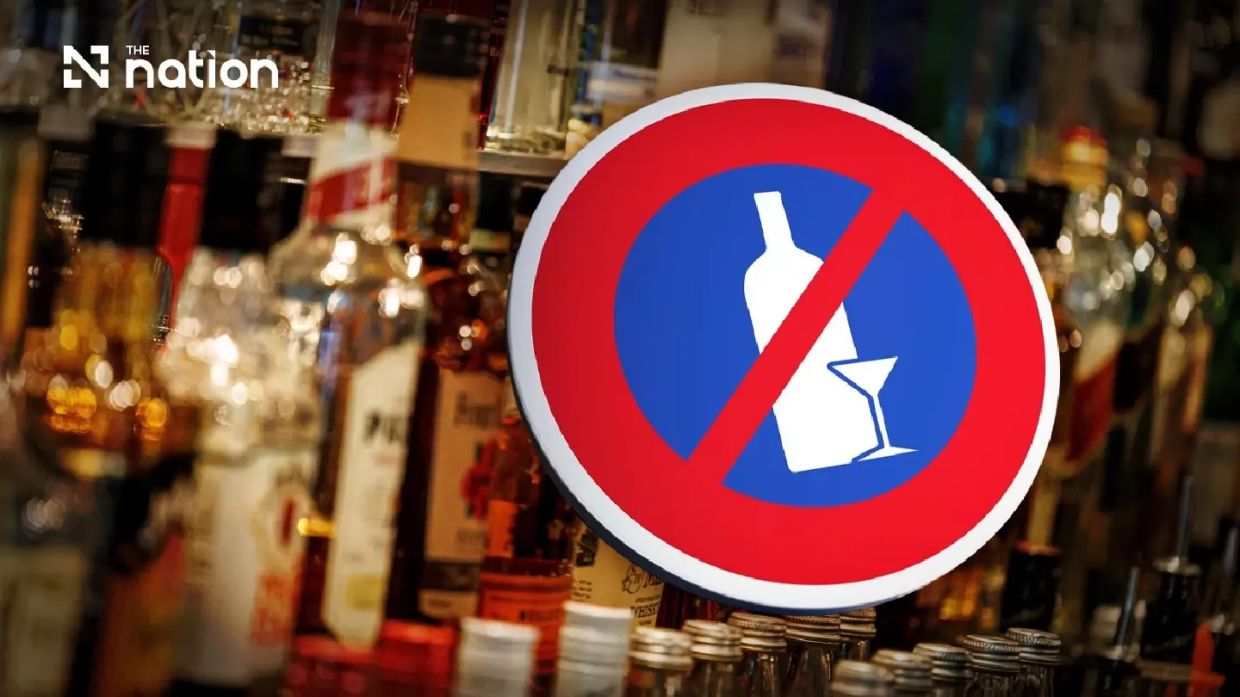
Thailand's Election Commission has established a comprehensive alcohol embargo across Bangkok and Pattaya during the June 27-28 local elections, reflecting the country's commitment to maintaining electoral integrity through controlled polling environments. The restriction, which extends across designated electoral zones in both major urban centres, seeks to eliminate potential disruptions that intoxicated voters or disorderly crowds might cause during the critical democratic process.
The prohibition takes effect at 6 p.m. on Saturday, June 27, and remains in force until 6 p.m. the following day, encompassing the entire electoral cycle from the day before voting through the conclusion of polling activities. This timing covers elections for the Bangkok Governor and Bangkok Metropolitan Council positions simultaneously with contests for the Pattaya Mayor and City Council roles, making this a significant electoral event affecting Thailand's two most commercially and politically important urban centres.
The ban applies comprehensively to all forms of alcoholic beverages, covering not merely over-the-counter sales but also distribution, gifting, and organised service arrangements. This means restaurants, bars, hotels, convenience stores, and private individuals are all prohibited from providing alcohol in any manner within the affected areas. The breadth of the restriction demonstrates the Election Commission's determination to eliminate even informal circulation of alcoholic drinks that might occur through private channels.
Since Thailand's electoral system places considerable emphasis on maintaining peaceful, orderly polling processes, authorities have structured this regulation to begin one full day before voting commences. This advance prohibition prevents the accumulation of intoxicated individuals in electoral zones overnight and creates a clearly defined period when the electorate can sober up before entering polling stations. The extension until 6 p.m. on election day ensures that voters complete their civic participation in a controlled environment free from alcohol-related complications.
The legal framework underpinning enforcement derives from Section 123 of the Local Elections Act B.E. 2562 and subsequent amendments, providing the Election Commission with statutory authority to impose penalties for violations. Those caught breaching the alcohol ban face potential imprisonment of up to six months, monetary fines reaching 10,000 baht, or concurrent sanctions combining both forms of punishment. These substantial consequences reflect Thailand's serious approach to electoral regulations and signal that authorities will pursue violators vigorously.
For Malaysian observers, Thailand's stringent electoral controls offer an instructive comparison to Southeast Asian governance practices. While Malaysia's own Election Commission maintains specific polling-day regulations, the breadth and severity of Thailand's alcohol prohibition reflects different cultural and political contexts. Thai authorities clearly prioritise creating completely controlled polling environments, whereas Malaysian regulations tend toward lighter-touch voter management approaches. Understanding these differences illuminates how individual nations balance electoral security with personal freedoms according to their particular institutional traditions.
The Election Commission's announcement explicitly calls upon all businesses operating within affected zones to ensure compliance with the prohibition. Restaurant operators, bar proprietors, hotel managers, and retail establishments must prepare contingency measures to avoid serving alcohol or facing significant legal consequences. This regulatory burden has practical implications for tourism and hospitality sectors, particularly in Bangkok and Pattaya, which depend substantially on alcohol sales and beverage service during normal operations.
Public cooperation remains essential for effective implementation, as the regulation's success depends partly on voluntary compliance from citizens and business operators who understand the electoral importance of maintaining order. The Commission's framing of the prohibition as contributing to fair and transparent elections seeks to build legitimacy for what some might perceive as an intrusive restriction on commercial activity and personal choice. This appeal to democratic principles represents standard electoral administration messaging across Southeast Asia.
The concurrent scheduling of governor and mayoral elections in Thailand's two largest metropolitan areas creates logistical complexity for enforcement agencies, who must coordinate activities across multiple jurisdictions simultaneously. Bangkok's metropolitan scale and Pattaya's significant tourism-dependent economy both present enforcement challenges, requiring police and administrative officials to maintain heightened vigilance across dispersed areas during a concentrated two-day period.
Eligible voters in both cities are instructed to cast ballots between 8 a.m. and 5 p.m. on Sunday, June 28, at their designated polling stations based on residential registration. The Election Commission expects strong turnout, given that these local elections determine leadership for critical urban administration positions affecting millions of residents and affecting regional commercial and cultural importance throughout Southeast Asia.
Voters requiring additional information can access the Election Commission of Thailand's official website or contact the dedicated hotline at 1444, which provides multilingual assistance and answers questions regarding polling locations, procedures, and electoral regulations. This information infrastructure demonstrates contemporary electoral administration practices that extend administrative accessibility beyond traditional government offices into digital and telephonic channels.
The alcohol ban represents one component of Thailand's broader electoral management framework, which encompasses voter registration requirements, poll worker training, observer protocols, and security arrangements designed to produce credible results. When considered within this comprehensive system, the alcohol prohibition serves as a protective measure against one specific category of electoral interference or disruption, contributing to the overall architecture of electoral integrity that Thai authorities continue developing and refining across successive election cycles.

