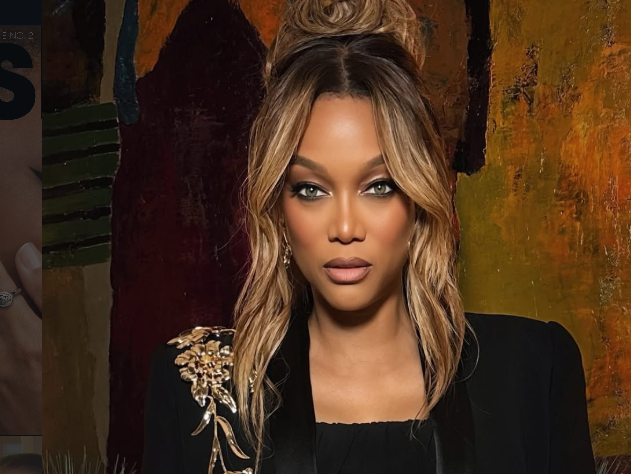
Tyra Banks has launched legal action against Netflix and the creators of a docuseries about America's Next Top Model, alleging the streaming platform and production team defamed her through selective editing and deliberate misrepresentation of her recorded interviews. The lawsuit, filed Saturday in Los Angeles federal court, names Netflix as defendant alongside directors Daniel Sivan and Mor Loushy, as well as production company EverWonder Studio. Banks seeks monetary damages and an injunction preventing the use of her likeness in connection with the documentary's accompanying soundtrack album.
At the heart of the dispute lies what Banks' legal team characterises as a fundamental manipulation of her words and actions. The lawsuit contends that producers engaged in "selective editing, deliberate omission, and surgical manipulation of continuous footage" to construct a false narrative suggesting Banks was aware of sexual assault allegations involving a contestant, exploited that trauma for ratings, and then attempted to evade questioning about the incident during her interview. According to court documents, the editing made it appear Banks knowingly avoided discussing the assault, when in fact she had never been informed about or asked regarding the allegations during her recorded conversation with the production team.
The revelation has highlighted significant procedural concerns about how the documentary was produced and presented to Banks before its February 16 release. Her legal representatives emphasise that Banks received access to the finished docuseries merely one day before premiere, providing minimal opportunity for meaningful review. More critically, the lawsuit states Netflix and EverWonder refused to provide Banks with full footage of her interviews for fact-checking purposes when requested in March, effectively preventing her from understanding the editorial context in which her statements appeared.
Banks' case also raises questions about the involvement of other industry figures in shaping the documentary's narrative. The lawsuit notes that other judges from America's Next Top Model served as consultants, with one allegedly harbouring a personal grievance against Banks. Her legal team contends that had Banks understood the depth of these individuals' involvement in directing the editorial approach, she would have recognised the potential for bias and declined to participate. This speaks to broader concerns about documentary production standards and the ethical obligations producers bear toward subjects who may have conflicting relationships within the industry.
The America's Next Top Model series, which debuted in 2003 and ran for 24 seasons, has faced sustained critical reexamination in recent years. Accusations of body shaming, contestant manipulation, and insensitive photoshoots have prompted serious conversations about the show's legacy and impact on participants. Banks has previously acknowledged these concerns publicly, stating she recognised "the insensitivity of past ANTM moments" and that certain editorial decisions were problematic. Her willingness to engage with the documentary appeared to signal openness to a fuller reckoning with the programme's history.
Yet according to the lawsuit, Banks came prepared for what she describes as a candid, comprehensive reflection on the show's evolution and her role in addressing past failings. Her legal team asserts that relevant statements demonstrating her accountability "ended up on the cutting room floor. It was there, but viewers were never given the opportunity to see it." This detail underscores the tension between how Banks conceived her participation and how the finished product ultimately portrayed her to audiences.
The real-world consequences have extended well beyond the documentary's streaming platform. Banks operates SMiZE & DREAM, an ice cream establishment in Sydney, Australia, which has experienced what her lawsuit describes as "review bombing" on Google following the docuseries' release. This demonstrates how editorial decisions in a major streaming production can have tangible commercial and reputational ramifications for subjects, particularly when negative portrayals gain public traction and influence consumer behaviour.
The dispute also reflects broader questions about editorial transparency and access in documentary filmmaking. By refusing to provide Banks with complete interview footage and denying her role as a consultant alongside other individuals involved in the production, Netflix and EverWonder effectively constructed the documentary without her input into its final form. For Malaysian and Southeast Asian audiences familiar with media criticism locally, this raises pertinent issues about journalistic ethics, subject participation in their own narratives, and the power dynamics inherent when large platforms determine how stories are told.
Banks' legal representatives emphasise that she attempted to resolve matters directly with Netflix and the producers before resorting to litigation. The streaming service and production company's refusal to engage constructively, according to the lawsuit, left litigation as the only avenue for response. Her lawyers argue that the documentary's release has overwhelmed other potential conversations about ANTM's legacy with a single allegation Banks was never afforded genuine opportunity to address.
The case arrives at a moment when documentary accountability has become increasingly scrutinised. Streaming platforms now face growing expectations from subjects and audiences regarding accuracy, fairness, and the ethical treatment of individuals portrayed on screen. The lawsuit positions Banks not merely as a victim of editorial choices, but as someone systematically excluded from meaningful participation in her own story, raising questions about whether subject involvement in documentary production constitutes a necessary safeguard against distortion.
As this legal battle unfolds, it will likely establish important precedents regarding defamation claims in documentary filmmaking and the obligations content creators bear toward accurately representing interview subjects. For international viewers and industry professionals across Asia-Pacific, the outcome may influence how streaming giants approach similar projects and whether documentary subjects gain greater negotiating power regarding editorial oversight and presentation of their recorded statements.
%22%2F%3E%3C%2Fpattern%3E%3C%2Fdefs%3E%3Crect%20width%3D%22100%25%22%20height%3D%22100%25%22%20fill%3D%22url(%23phhoqrg)%22%2F%3E%3Crect%20width%3D%22100%25%22%20height%3D%22100%25%22%20fill%3D%22url(%23phhoqrp)%22%2F%3E%3Ctext%20x%3D%2250%25%22%20y%3D%2250%25%22%20text-anchor%3D%22middle%22%20dominant-baseline%3D%22central%22%20fill%3D%22rgba(255%2C255%2C255%2C0.95)%22%20font-family%3D%22Georgia%2C%20'Times%20New%20Roman'%2C%20serif%22%20font-weight%3D%22700%22%20font-size%3D%22136%22%20letter-spacing%3D%22-0.02em%22%3EParliament%3C%2Ftext%3E%3C%2Fsvg%3E)
%22%2F%3E%3C%2Fpattern%3E%3C%2Fdefs%3E%3Crect%20width%3D%22100%25%22%20height%3D%22100%25%22%20fill%3D%22url(%23ph4jp63g)%22%2F%3E%3Crect%20width%3D%22100%25%22%20height%3D%22100%25%22%20fill%3D%22url(%23ph4jp63p)%22%2F%3E%3Ctext%20x%3D%2250%25%22%20y%3D%2250%25%22%20text-anchor%3D%22middle%22%20dominant-baseline%3D%22central%22%20fill%3D%22rgba(255%2C255%2C255%2C0.95)%22%20font-family%3D%22Georgia%2C%20'Times%20New%20Roman'%2C%20serif%22%20font-weight%3D%22700%22%20font-size%3D%22272%22%20letter-spacing%3D%22-0.02em%22%3EAnwar%3C%2Ftext%3E%3C%2Fsvg%3E)